HVBA and Workplace Benefits Association Induct David Essary, CSO of Alight Solutions, into Hall of Fame

Atlantic City, NJ – October 20, 2025 — The Health & Voluntary Benefits Association (HVBA), in partnership with the Workplace Benefits Association (WBA), is honored to announce the induction of David Essary, Chief Strategy Officer at Alight Solutions, into the prestigious HVBA & Workplace Benefits Association International Hall of Fame. This distinguished recognition celebrates David’s exceptional leadership, strategic vision, and lasting contributions to the voluntary benefits and healthcare landscape.

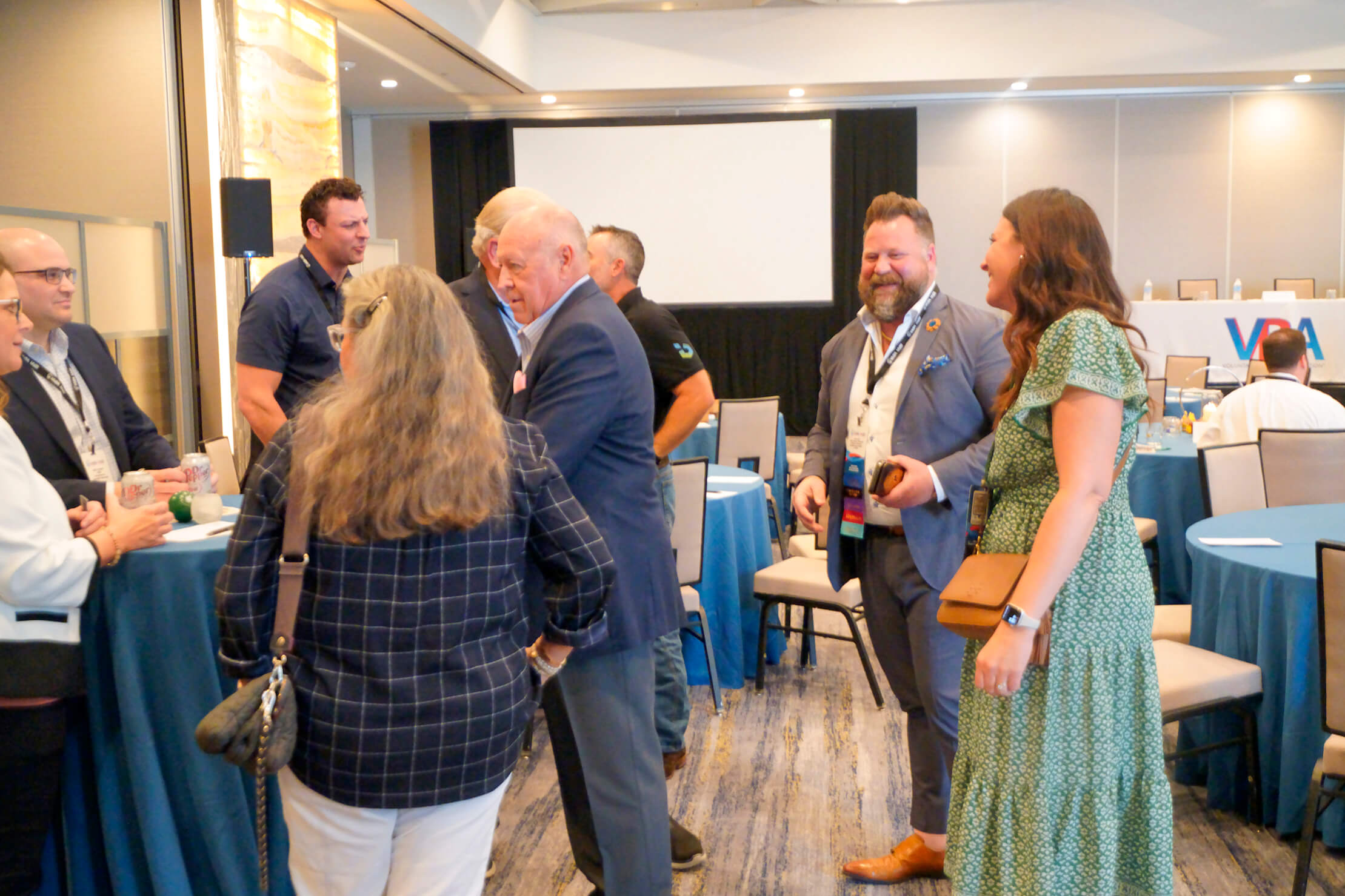
The Hall of Fame honor will be presented at the 18th Annual HVBA Conference, taking place on Thursday, November 20, 2025, at the Ocean Casino Resort in Atlantic City, NJ. The ceremony will spotlight David Essary alongside eight other remarkable industry executives whose innovation and impact have shaped the trajectory of workplace benefits across the country.

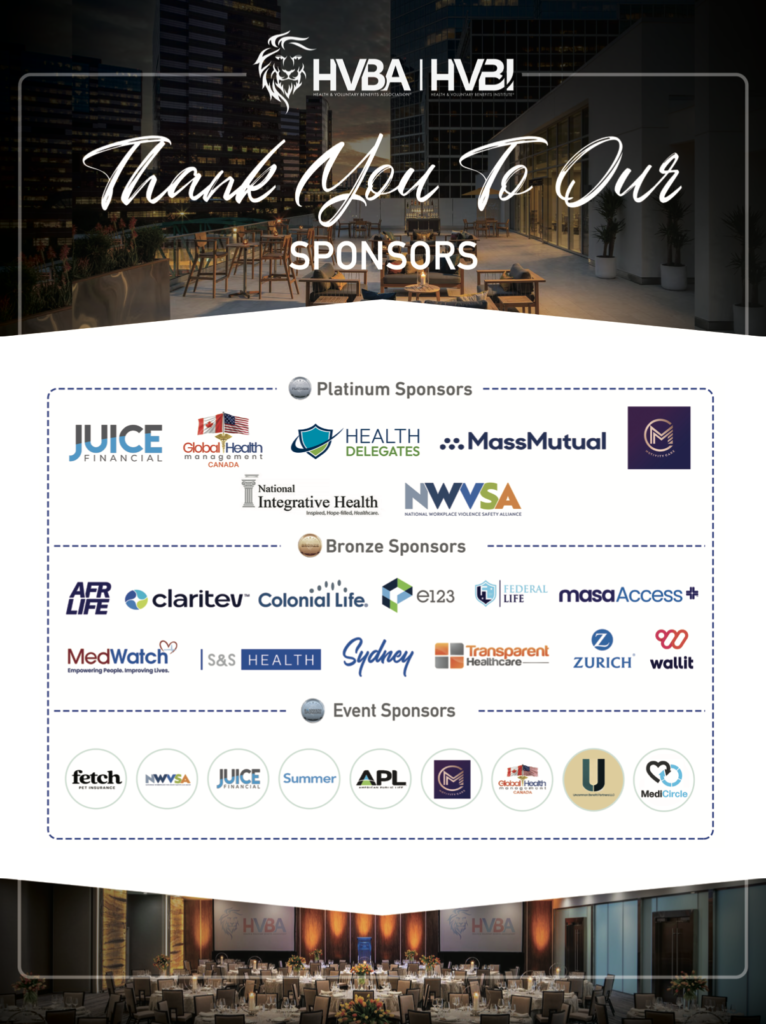
Humana is proud to sponsor the HVBA’s 18th Annual Conference and the Hall of Fame and eight Leadership Awards.

“David Essary’s career reflects a powerful blend of insight, influence, strategic thinking and industry-shaping leadership,” said Robert S. Shestack, Chairman & CEO, HVBA. “His contributions to the development and modernization of voluntary benefits have been instrumental in improving how organizations support their workforce and how individuals access meaningful healthcare and financial wellness solutions.”

HVBA Board Member Vince Cicatiello met David in the late ’90s sharing, “from the moment I met David it was clear he had a rare talent for communicating and educating employees through complex benefits decisions. His leadership at Allstate was the pinnacle of a remarkable career, and this nomination is a well-earned recognition of his impact on our industry.”

The HVBA & Workplace Benefits Alliance Hall of Fame honors industry pioneers and trailblazers who have made extraordinary strides in advancing the voluntary benefits space. From groundbreaking strategy to operational excellence, the 2025 Hall of Fame class represents the pinnacle of achievement in our industry.

Join us in Atlantic City as we celebrate these nine exemplary leaders and recognize the excellence, innovation, and dedication that continue to propel the health and voluntary benefits sectors forward.

“The 18th Annual HVBA Conference is more than just a B2B event—it’s a celebration of the leaders who are redefining the future of voluntary benefits and healthcare,” said Jake Velie, Vice Chair & President of HVBA. “We invite our peers, partners, and professionals across the industry to join us in Atlantic City on November 20th as we honor these trailblazers whose vision and impact continue to elevate the entire ecosystem.”

Registration & Sponsorship


About the Health & Voluntary Benefits Association (HVBA)

The Health & Voluntary Benefits Association is a leading industry organization committed to advancing innovation, education, and leadership in workplace and voluntary benefits. Through its national events, research, and recognition programs, HVBA brings together top professionals and organizations working to shape the future of healthcare and employee benefits.

About Humana

Humana is a Fortune 50 health insurance company committed to the health of our 17 million members. We’ve been offering Humana Group Benefits for over 50 years, with plans designed to keep businesses and their employees healthy, happy, and productive. Our group dental, vision, life, and disability plans offer exceptional service, large networks and modern benefits that serve a broad range of member needs.

About the Workplace Benefits Association

The Workplace Benefits Association is a collaborative initiative supporting benefit advisors, employers, and solution providers through education, advocacy, and community. In alignment with the HVBA, it amplifies voices across the benefits industry and honors excellence through the annual Hall of Fame and Leadership Awards.

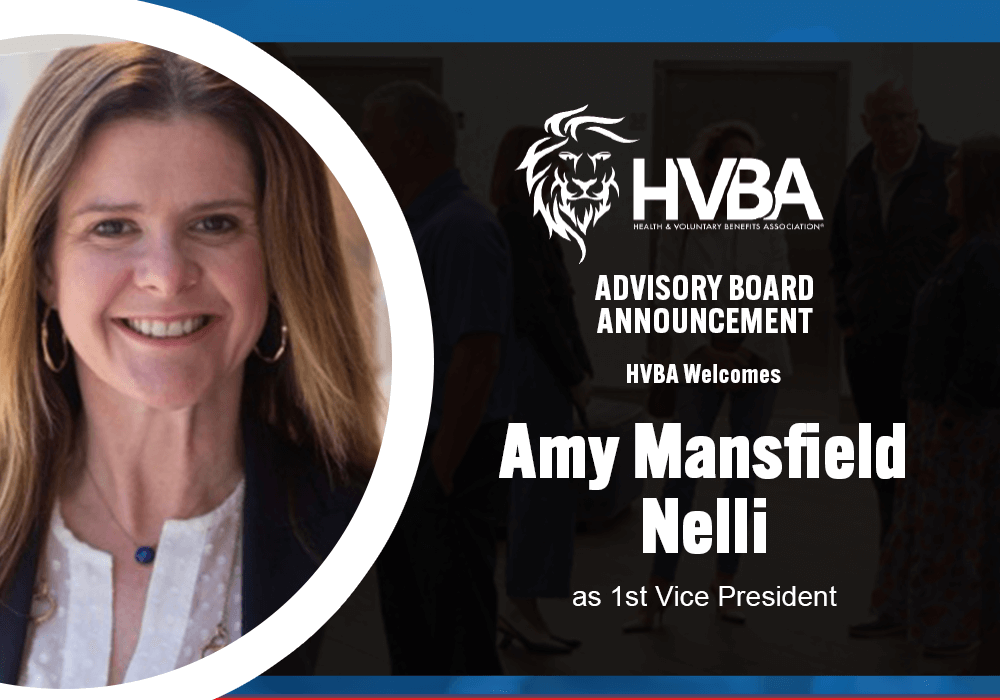
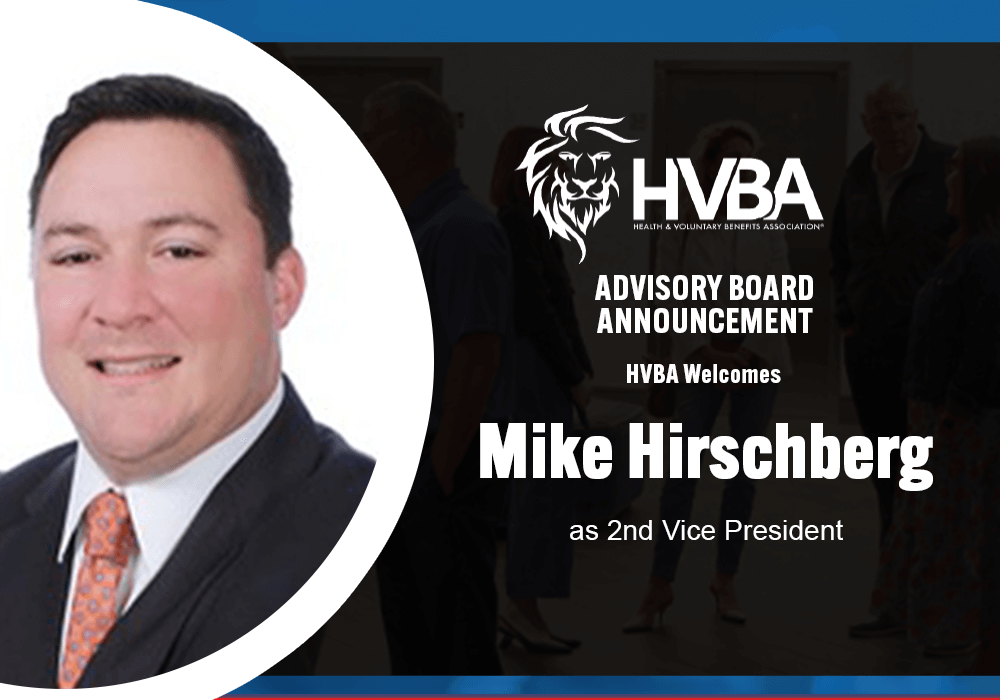
HVBA Elevates Don Cahalan, Amy Mansfield Nelli, and Mike Hirschberg to Leadership Roles

Mount Laurel, NJ – September 3, 2025 –The Health & Voluntary Benefits Association® (HVBA) is thrilled to announce several Executive and Advisory Board Member promotions. 

It is with great pride and admiration that the HVBA congratulates Don Cahalan on his well-earned promotion from the Advisory Board to the Executive Board of the Health & Voluntary Benefits Association. Don’s unwavering commitment to the advancement of employee benefits and his deep expertise in health and voluntary programs have made him an invaluable contributor to the HVBA community.

During his tenure on the Advisory Board, Don consistently demonstrated strategic insight, integrity, and a forward-thinking approach that helped shape the Association’s initiatives,” said Jake Velie, Vice Chair & President of the HVBA. “He brought a rare combination of practical experience and visionary leadership that not only influenced strategy but also inspired collaboration and innovation among peers.”

I’m honored to be joining the Executive Board of the Health & Voluntary Benefits Association,” says Mr. Cahalan. “My time on the Advisory Board has been incredibly rewarding, allowing me to collaborate with passionate professionals committed to advancing our industry. I’m excited to continue serving HVBA in this new capacity and to help drive meaningful conversations and innovation in health and voluntary benefits. I look forward to what we can accomplish together.” Don Cahalan is also the Founder of Biggin Solutions.

Don’s promotion to the Executive Board is a natural and exciting next step. “His ability to build consensus, challenge conventional thinking, and advocate for sustainable, employee-centered benefit solutions will undoubtedly strengthen the Association’s mission and impact,” said Robert Shestack, Chairman & CEO of the HVBA.

The Health & Voluntary Benefits Association (HVBA) is proud to announce the promotion of two outstanding leaders within our Advisory Board. Amy Mansfield Nelli has been elevated to the role of 1st Vice President, recognizing her exceptional leadership, strategic vision, and longstanding contributions to the Association’s mission. In addition, Mike Hirschberg has been promoted to 2nd Vice President, a testament to his deep industry expertise and commitment to advancing thoughtful, member-focused benefit solutions. Both Amy and Mike have consistently demonstrated a passion for innovation and collaboration, and we are excited to see their continued impact in these new leadership roles.

I look forward to seeing the continued influence of Don, Amy, and Mike’s leadership in these new roles. The HVBA Executive & Advisory Board is fortunate to gain such thoughtful and results-driven leadership, proclaimed Shestack. 

About Health & Voluntary Benefits Association® (HVBA):
HVBA is a leading organization dedicated to providing resources, education, and networking opportunities for professionals in the health and voluntary benefits industry. HVBA aims to foster collaboration, innovation, and excellence in the field through events, workshops, and online platforms.

Media Contact:
Sarah Hunt
SVP of Administration
shunt@vbassociation.com

HVBA Announces 18th Annual Board Meeting & Benefits Roadshow in Atlantic City

A day of innovation, deal-making, and purpose-driven networking at Ocean Casino Resort, November 20, 2025

ATLANTIC CITY, N.J. — September 25, 2025 — The Health & Voluntary Benefits Association (HVBA) today announced its 18th Annual HVBA event will take place November 19–20, 2025 at Ocean Casino Resort on the iconic Atlantic City Boardwalk. This year’s program features an Invite-Only VIP Dinner on November 19, followed by a full day of board programming, the HVBA Innovation Summit, and an evening Networking Reception with Leadership Awards Ceremony and Charity Component on November 20.

Atlantic City has a legacy of big stages and bold moves—a perfect backdrop for HVBA’s 18th year of catalyzing partnerships that help employers and their people thrive,” said Rob Shestack, HVBA Chair. “Attendees can expect candid conversations, actionable strategies, and real opportunities to build their 2026 pipeline.”

Our model is simple: quality content + curated connections = business outcomes,” added Jake Velie, HVBA. “We’re excited to welcome the industry to Ocean Casino Resort for two energetic days that combine learning, relationships, and purpose.”


Event Highlights

  • Invite-Only VIP Dinner — Wednesday, Nov. 19
    An intimate evening for HVBA leaders, sponsors, and select guests to connect and set the tone for the main event.
  • HVBA Board & Leadership Programming — Thursday, Nov. 20 (AM)
    Focused sessions for HVBA Board Members and invited guests to align on 2026 initiatives and market priorities.
  • HVBA Innovation Summit — Thursday, Nov. 20 (Afternoon)
    Fresh insights on growth, product innovation, compliance outlooks, and integrated health strategies—delivered by leaders building what’s next.
  • HVBA Networking Reception, Awards Ceremony & Charity Component — Thursday, Nov. 20 (Evening)
    A premium, business-forward reception designed for real conversations that lead to real deals. Includes butler-passed hors d’oeuvres and open bars, plus a purpose-driven auction supporting Trinity Oaks Outdoors’ “Honoring Our Heroes.”

Why Attend

  • Deeper Connections, Faster: Intimate scale + curated introductions = time well spent.
  • Right-Now Intelligence: What’s changing in voluntary, medical, and integrated solutions—and where growth will come from next year.
  • Action Over Hype: Leave with new partnerships, clear takeaways, and a fuller pipeline.
  • Complimentary Registration for Licensed Brokers & Agents (limited capacity).

Preliminary Schedule* (All times ET)

Wednesday, November 19

  • Evening – Invite-Only VIP Dinner

Thursday, November 20

  • 8:00 AM–12:00 PM – HVBA Board/Leadership Programming (invite only)
  • 1:00–3:30 PM – HVBA Innovation Summit
  • 4:00–8:00 PM – HVBA Networking Reception, Leadership Awards Ceremony & Charity Component

*Final agenda and speakers to be announced.


Venue

Ocean Casino Resort
A contemporary, oceanfront property offering panoramic views, elevated dining, and seamless access to the Boardwalk—pairing modern luxury with Atlantic City’s storied energy.


Registration & Sponsorship


Media Contact

Jenny Jenkins
Health & Voluntary Benefits Association (HVBA)
Cell: (561) 398-1060
Email: jjenkins@vbassociation.com
Website: www.vbassociation.com


About HVBA

The Health & Voluntary Benefits Association (HVBA) unites brokers, agents, consultants, carriers, and solution innovators to accelerate better benefits for employers and the people they serve. Through executive roundtables, regional roadshows, and its annual summit, HVBA delivers practical insights, curated partnerships, and purpose-driven community impact. Learn more at www.vbassociation.com.


HVBA Benefits Roadshow Nashville Delivers Innovation, Networking, and Purpose-Driven Impact

Nashville, TN – September 3, 2025 – The Health & Voluntary Benefits Association (HVBA) hosted a record-breaking Benefits Roadshow in Nashville on September 3, 2025, bringing together industry leaders, innovators, and business professionals for a day of groundbreaking discussions, dynamic networking, and charitable giving. With standing-room-only attendance, the event marked one of HVBA’s most successful gatherings to date.

A Full Day of Impactful Programming

The day kicked off with a packed Board Meeting at the Renaissance Nashville Hotel, where board members and invited guests gathered for a half-day of strategic discussion. The morning set the stage for an afternoon of inspiration, learning, and connection.

At 1:00 PM, attendees filled the Music City Ballroom for the highly anticipated HVBA Innovation Summit, moderated by Mike Hirshberg, Division Sales Manager, MassMutual. The summit featured thought leaders and innovators from across the benefits and healthcare landscape, including:

  • Robert S. Shestack, Chairman & CEO, HVBA – OBBBA 2025: Its Effect on Employee Benefits
  • Mark Barbier on behalf of Mark Chibbaro, CRO, SGIC – Where Innovation Meets Impact
  • Jeff Caldwell & Chris Davis, Claritev – Welcome to the New Claritev Broker Solutions
  • Moshe Golomb, CEO, Juice Financial – Payment Solutions for Insurance
  • Jim Senge, SVP, Ebix Health – A Digital Transformation Journey in Voluntary Benefits/Worksite Solutions
  • Dr. Joseph Webb, CheckMySpot – When You’ve Got Skin in the Game, We Keep It in the Workplace

These sessions highlighted the innovations shaping the future of employee benefits, healthcare solutions, and digital transformation.

Networking, Partnerships, and Giving Back

Following the summit, the Networking Reception from 3:30 PM to 7:00 PM delivered an unmatched opportunity for collaboration. With premium open bars, butler-passed hors d’oeuvres, and lively reception stations, attendees forged new partnerships and celebrated shared successes.

Highlights included:

  • Jake Velie, Vice Chair & President, HVBA; Chairman & CEO, National Integrative Health – The New Era of Pharmacy Economics
  • Jennifer Carter, CEO, Medzown – Science-Powered Cost Containment for Cancer & Complex Disease
  • Trinity Oaks Outdoors Live Auction, featuring trips to Ireland and other incredible experiences, raising funds to honor and support America’s heroes.

The evening concluded with raffle drawings, networking celebrations, and enthusiastic feedback from attendees who called the event “off the charts.”

A Resounding Success

“From a full board meeting to an innovation summit packed with expertise, and a networking reception buzzing with energy, Nashville exceeded all expectations,” said Rob Shestack, Chairman & CEO of HVBA. “HVBA exists to connect, innovate, and give back—and Nashville proved what can happen when this community comes together.”

“Collaboration was the theme of the day,” added Jake Velie, Vice Chair & President of HVBA. “The energy in the room showed that people aren’t just attending—they’re engaging, partnering, and leaving with actionable strategies.”

About HVBA

The Health & Voluntary Benefits Association (HVBA) is a leading industry organization dedicated to advancing innovation, collaboration, and professional growth in the health and voluntary benefits space. Through events, education, and strategic partnerships, HVBA empowers brokers, consultants, carriers, and service providers to drive meaningful change and deliver better outcomes for clients, employers, and employees.

Contact

HVBA Media Relations
Jenny Jenkins
Global Brand Ambassador
jjenkins@vbassociation.com

Health & Voluntary Benefits Association® (HVBA) Publishes Second Edition of 2025 “Insights That Matter” DIR Poll Report – Revealing Fresh Industry Trends and Emerging Priorities

Mount Laurel, NJ – The Health & Voluntary Benefits Association® (HVBA) today announced the release of its annual Insights That Matter: HVBA DIR Poll Results report, presenting a comprehensive look at the issues shaping the future of health and voluntary benefits in the U.S. workforce. Drawing from more than 24,000 responses across 35+ industry polls, the report highlights the priorities, concerns, and emerging solutions driving the healthcare and benefits landscape in 2025.

Sponsored by MassMutual and Sydney Administrators, the report reflects feedback from brokers, consultants, employers, carriers, and other stakeholders across the benefits ecosystem. It underscores the industry’s collective focus on mental health, price transparency, affordability, and employee engagement as top concerns for the year ahead.

Key Findings Include:

  • Mental Health & Engagement: Flexible work schedules and Employee Assistance Programs (EAPs) were the most preferred initiatives for supporting employee mental health, with ongoing workshops identified as the most effective way to boost engagement.
  • Rising Costs & Transparency: Over half of respondents cited rising healthcare costs and affordability as the most pressing challenge, while price transparency tools and reference-based pricing emerged as vital strategies for employers and brokers.
  • Voluntary Benefits Growth: Supplemental health products (dental, vision, critical illness) and Accident Insurance remain the most valued voluntary benefits, with Gen X (ages 45–60) showing the highest engagement levels.
  • GLP-1 Medications: A majority of respondents strongly disagreed with employers dropping coverage for GLP-1 weight-loss medications (like Mounjaro and Wegovy), citing employee health and retention concerns despite the cost challenges.
  • Industry Knowledge Gaps: A majority of professionals reported being unprepared or unaware of compliance requirements tied to the Consolidated Appropriations Act (CAA), signaling a critical need for education and resources.
  • Emerging Trends: Interest is growing in pet insurance, “travel as a benefit,” workplace violence coverage, and PTO liability reduction programs as organizations seek innovative ways to attract and retain talent.

“The voice of the benefits community is clear—employers, brokers, and carriers are demanding innovative, affordable, and accessible solutions to meet the needs of today’s workforce,” said Robert S. Shestack, CFF, CVBS, Publisher, Chairman & CEO of HVBA. “This report is a roadmap for the industry, offering actionable insights that reflect both immediate challenges and long-term opportunities.”

The full report, including detailed poll data and commentary, is available now to HVBA members and industry professionals.

For more information or to request the full Insights That Matter: HVBA DIR Poll Results report, visit https://vbassociation.com/discover-what-over-24000-professionals-think-about-2025s-top-benefits-trends/


Media Contact:
Sarah Hunt
Health & Voluntary Benefits Association®
Phone: (856) 200-8024
Email: info@vbassociation.com

About the Health & Voluntary Benefits Association® (HVBA)
The Health & Voluntary Benefits Association® (HVBA) and the Health and Voluntary Benefits Institute® (HVBI) are leading providers of comprehensive employee benefits solutions, compliance consulting, product development and industry certifications. With a commitment to innovation and excellence, HVBA & HBVI strives to empower employers and brokers with the tools they need to navigate the evolving landscape of healthcare and voluntary benefits. Through the Health & Voluntary Benefits Association® (HVBA) and the Health & Voluntary Benefits Institute® (HVBI), we are dedicated to advancing industry knowledge and promoting best practices for the benefit of all stakeholders.

About MassMutual (Massachusetts Mutual Life Insurance Company)
MassMutual is a leading mutual life insurance company that is run for the benefit of its members and participating policyowners. Founded in 1851, the company has been continually guided by one consistent purpose: we help people secure their future and protect the ones they love. With a focus on delivering long-term value, MassMutual offers a wide range of protection, accumulation, wealth management, and retirement products and services. For more information, visit www.massmutual.com.

Join HVBA at the Renaissance Nashville Hotel – A Premier Experience in the Heart of Music City

Nashville, TN – Thursday, July 10 – The Health & Voluntary Benefits Association® (HVBA) is thrilled to extend a warm invitation to all benefits professionals for the upcoming Benefit Roadshow, scheduled for Wednesday, September 3, 2025.

We are excited to welcome you to the luxurious Renaissance Nashville Hotel, ideally situated in the vibrant heart of downtown Nashville. Directly connected to the dynamic Fifth + Broadway complex—featuring over 35 restaurants, shops, and live entertainment options—our venue offers unmatched convenience and access. Guests will also find themselves just steps away from hundreds of local hotspots, including the legendary Broadway, famously known as “Honky Tonk Highway.”

In addition to an exceptional location, attendees will enjoy exclusive opportunities to engage with the HVBA’s Executive and Advisory Board Members. Connect with influential leaders in the voluntary benefits and healthcare sectors in an intimate, high-energy setting designed to foster meaningful conversations and strategic relationships.

The HVBA Benefit Roadshow promises an engaging and informative experience for attendees. This exclusive event will feature our Innovation Summit with six (6) power sessions, introducing delegates to the latest products, services and solutions in the healthcare and benefits space.

“More than just an event, this is a bold demonstration of HVBA’s relentless drive to push innovation into the marketplace,” said Jake Velie, Vice Chairman & President of the Health & Voluntary Benefits Association® (HVBA) and Chairman & CEO of National Integrative Health. “Whether it’s revolutionary pharmacy solutions, advanced data analytics, or fresh strategies for managing employer risk, we’re breaking new ground and bringing never-before-seen ideas to the table. At HVBA, we’re not just keeping up—we’re leading the charge with powerful, forward-thinking solutions that tackle the toughest challenge in healthcare: cost control.”

Following these impactful sessions, attendees will have the opportunity to immerse themselves in HVBA’s Networking Reception with Open Bar & Butlered Hors d’oeuvres. 

The HVBA’s Networking Reception at the Benefits Roadshow is more than just an opportunity to mingle—it’s where meaningful connections turn into real business opportunities. Attendees gain direct access to a dynamic mix of professionals, business owners, and community leaders in a relaxed, high-energy environment designed for authentic conversations. Whether you’re looking to forge new partnerships, showcase your services, or simply expand your professional circle, this reception provides the perfect setting. With curated introductions, refreshments, and a collaborative atmosphere, the HVBA Networking Reception transforms casual networking into lasting value. Don’t miss the chance to connect, collaborate, and grow.

“We’re thrilled to bring the HVBA Benefits Roadshow to brokers across the industry — a dynamic event built to empower, educate, and connect,” said Rob Shestack, Chairman & CEO of the HVBA. “This is a unique opportunity for benefits brokers to gain strategic insights, expand their network with top carriers and solution providers, and stay ahead of the curve in an ever-evolving marketplace.”

In a gesture of appreciation to our attendees, HVBA is pleased to offer complimentary tickets to this event, made possible through the generous support of our sponsors.

To secure your spot at this exciting event and to access further details, please visit: https://www.eventbrite.com/e/2025-hvba-benefits-roadshow-nashville-tn-tickets-1388475901799?

For inquiries or additional information, please get in touch with Sarah Hunt, SVP of Administration at shunt@vbassociation.com or call (856) 326-5246.

Take advantage of this opportunity to be part of the HVBA Benefits Roadshow and take your professional network to new heights!

About Health & Voluntary Benefits Association® (HVBA):

HVBA is a leading organization dedicated to providing resources, education, and networking opportunities for professionals in the health and voluntary benefits industry. HVBA aims to foster collaboration, innovation, and excellence in the field through events, workshops, and online platforms.

Media Contact:
Sarah Hunt
SVP of Administration
shunt@vbassociation.com

Sky Key

Exclusive for HVBA Members: Save on Travel to HVBA Conferences—and Beyond—with Sky Key. As an HVBA member, you now have access to a powerful way to save money on flights—even after you’ve booked. Whether you’re heading to the HVBA conference in Nashville this August or future travel, Sky Key helps you unlock hidden savings. We know that money doesn’t grow on trees, but Sky Key creates money from the sky. 

How It Works:

Upload Your Ticket: After booking your flight, simply upload your confirmation to Sky Key.

• We Monitor Prices: Sky Key automatically tracks your flight for any price drops that may occur between now and your travel date.

• You Save Automatically: If your fare drops, Sky Key works behind the scenes to claim a refund or credit—no itinerary changes needed. You get the difference back, hassle-free.

Why We Love Sky Key:

• Save on business and personal travel—including your flight to Nashville in August

No more worrying about booking too early or too late

Only pay when Sky Key saves you money, 25% of the total savings 

• Friendly support and real results—many users save around 10% of their total travel spend and on 50% of flights

HVBA Houston, TX Roadshow 2025 – A Success!

We are thrilled to share the highlights of our recent event, on May 14th in Houston, TX, which was an unforgettable experience for all attendees.

This event was a powerful demonstration of the strength, collaboration, and forward momentum of our community,” said Jake Velie, Vice Chairman & President of the Health & Voluntary Benefits Association (HVBA) and Chairman and CEO of National Integrative Health. “Our goal was to create a space where professionals could learn, connect, and make meaningful contributions—and we delivered on that promise. But more importantly, this event showcased HVBA’s unwavering commitment to driving innovation into the marketplace. From groundbreaking solutions in pharmacy and data analytics to pioneering approaches in employer risk management, we introduced partners and strategies that have never been seen in this space before. HVBA is proud to be leading the way with cutting-edge solutions that are directly addressing the complex challenge of controlling healthcare costs.”

Here’s what was featured:

Innovation Summit: Attendees gained exclusive market insights, gaining firsthand knowledge of emerging trends and innovations shaping the future of voluntary benefits and healthcare strategies. Broker-centric content, focused on real-world solutions, sales strategies, tools, and revolutionary products and services shaping the next generation of benefits to better serve employer clients and expand their portfolio. These sessions ensured participants left with a thorough understanding of the current changes and dynamics affecting their clients. 

Attendees heard from industry leaders, including:

  • MassMutual
  • Fetch Pet Insurance
  • National Workplace Violence & Safety Alliance (NWVSA)
  • Juice Financial
  • Summer
  • American Public Life (APL)
  • Motivity Care
  • Uncommon Benefit Partners & National Integrative Health
  • MediCircle

The energy in Houston was incredible. We had a great mix of brokers and sponsors really leaning in, asking smart questions, and making meaningful connections,” said David Sherman, Chief Revenue Officer of the Health & Voluntary Benefits Association (HVBA) and Vice President at PTO Exchange. “It’s clear there’s a lot of excitement about what we’re building at HVBA—and we’re just getting started. Ask me about membership, happy to share why now’s the time to get involved.

Experience at The Westin Houston Medical Center/Museum District: The event included a special networking reception at The Westin. This unique venue provided an engaging atmosphere where attendees could enjoy interactive content and meaningful networking opportunities. The attendee experience was designed to foster connections in a relaxed, intimate, and enjoyable setting.

Charity Auction & Raffle: Our charity auction was a highlight of the event, drawing enthusiastic participation from over 70 attendees. Bidders had the opportunity to win exclusive items while contributing to a worthy cause, Trinity Oaks, the only Purple Heart Wounded Warrior non-government ranch in the United States. The auction not only added an element of fun but also emphasized the community’s commitment to philanthropy, raising over $22,000 gross.

Networking Reception: After the Innovation Summit sessions, attendees gathered for the HVBA Benefit Roadshow Networking Reception. Throughout the event, attendees enjoyed a variety of five-star appetizers, food, and beverages. The culinary offerings were exceptional! This reception was an excellent platform for industry professionals to connect, share insights, and build long-term relationships. Brief speeches from industry leaders enhanced the networking experience.


“Thank you for putting together a great roadshow. I know it takes a ton of planning, event management, improvising, and so much more. It’s always great to get around some talented industry pros, and the conference was well done with good presentations. Trinity Oaks is awesome, and the prizes were great. Appreciate all that each of you do and thankful to be a small part of it,” shared Dennis Ontaneda, National Distribution Manager, Consumer Solutions & Voluntary Benefits Accident & Health for Zurich NA.

A special recognition goes out to our Executive and Advisory Board members, as well as our Sponsors, Attendees, and Members, who make these events possible.

“Our Houston event was a tremendous success, bringing together industry professionals to share knowledge, build connections, and support meaningful causes. We are grateful for the enthusiastic participation and generous contributions from everyone involved,” said Robert S. Shestack, Chairman & CEO of the Health & Voluntary Benefits Association and Chief Revenue Officer of Juice Financial. “This event showcased the best of our community’s commitment to excellence and collaboration. Stay tuned for HVBA in Nashville August 27 & 28th”.

For further information, please visit our website www.vbassociation.com. If you have any questions about sponsorship or membership, please reach out to Sarah Hunt at shunt@vbassociation.com.

Evaluation of Remote Monitoring Policies and Benefits – A New Report

By: Center for Connected Health Policy

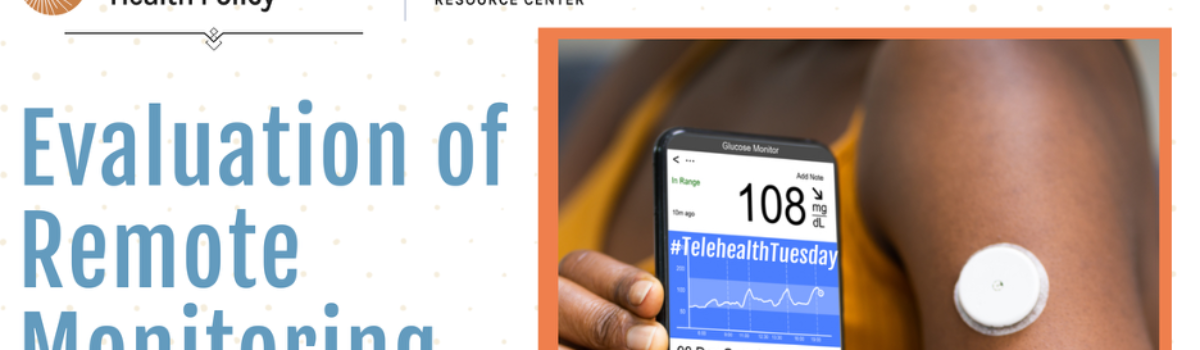
An April 2025 report by Peterson Center on HealthcareEvolving Remote Monitoring: An Evidence-Based Approach to Coverage and Payment, assesses remote patient monitoring (RPM) utilization across Medicare and Medicaid populations to provide policy insights around how remote monitoring technologies can improve clinical outcomes as well as reduce spending. The report looks at current coverage and reimbursement policies applicable to remote monitoring, the clinical benefits remote monitoring has been shown to provide, and recommendations to better align policies with clinical evidence.
 
According to the Centers for Medicare and Medicaid Services (CMS)’ Medicare Learning Network (MLN) Telehealth and Remote Patient Monitoring Fact Sheet, which was just updated last month, remote patient monitoring (RPM) allows a patient to collect their own health data using a connected medical device which automatically transmits the data to their provider. RPM encompasses both remote physiological monitoring and remote therapeutic monitoring (RTM). Remote physiological monitoring involves using non-face-to-face technology to monitor and analyze a patient’s physiological metrics, such as blood pressure, while remote therapeutic monitoring captures non-physiological data related to a therapeutic treatment, such as medication adherence. Medicare began reimbursing RPM in 2019, adding RTM reimbursement in 2022, and both of their respective code sets include three primary components: device supply, device set-up/education, and the provider’s time spent reviewing the data and managing treatment:

RPM CPT & HCPCS CODES:


Many state Medicaid programs have established RPM coverage policies similar to Medicare, with 41 states providing at least some type of RPM reimbursement based on CCHP’s research reflected in our policy trend maps. In terms of private payer RPM coverage, it is noted that RPM reimbursement across commercial insurers is not well-known, but some payers have adopted more narrow policies which limit the set of conditions eligible for RPM reimbursement.
 
The authors draw on the clinical benefit information gathered through the Peterson Health Technology Institute (PHTI) evaluations of digital health tools to treat the primary conditions associated with Medicare/Medicaid utilization of remote monitoring services: hypertension, diabetes, and musculoskeletal disorders. Additionally, there is some analysis of RPM duration of use by defining periods of continuous use as episodes to determine shifts in length of RPM use by condition. Overall, the analysis found that clinical effectiveness and duration of benefit vary by condition and product, and that remote monitoring is currently used by a very small percentage of Medicare/Medicaid populations. However, RPM utilization, as well as its duration of use, are quickly growing. Findings include: 

Hypertension is the primary diagnosis for 57% of all Medicare beneficiaries with an RPM episode; musculoskeletal disorder is the primary diagnosis for almost 60% of beneficiaries with an RTM episode.The average RPM episode for hypertension lasts 6.6 months; the average RTM episode for a musculoskeletal disorder lasts 1.7 months.RPM blood pressure monitoring during periods of active medication management allows providers to quickly adjust patients’ hypertension medications, resulting in rapid improvements in blood pressure outcomes.Physical therapy RTM patients experience greater improvements in pain and function than those who receive only in-person physical therapy.RPM for diabetes may be most effective when targeting patients with the highest starting HbA1c levels and those who are at critical transition points in their care plan.One percent of Medicare beneficiaries use RPM today; they tend to be older, nonwhite, urban, more medically complex, and dually eligible for Medicare and Medicaid.Less than 0.2% of Medicare beneficiaries received RTM services in 2023; they tend to be older, white, women, and live in urban areas.In 2023, 451,000 patients in Medicare used RPM services, versus 44,500 in 2019.On average, the duration of continuous RPM use in Medicare rose from 1.7 to 5.2 months between 2019 and 2023.

Based on these findings, the report recommends that policymakers consider: 

1. Better aligning RPM coverage policies to the conditions/durations found to have the most clinical benefit.
2. Improving access to high-impact remote monitoring tools.
3. Requiring more specificity on RPM billing claims to improve data collection.

The report makes an interesting suggestion in regard to the second recommendation, ensuring availability of high-impact remote monitoring tools. The evaluation found that most beneficiaries utilizing RPM were primarily located in urban areas. Therefore, to improve RPM access specifically in rural areas, which have higher rates of chronic disease and traditional access issues, it is suggested that CMS reassess its current geographic variations used for Medicare reimbursement. The authors acknowledge that the geographic variation seeks to align payment with local costs of living, but also highlight that it may limit national companies from offering digital health tools in more rural and low-cost regions.
 
In regard to the first recommendation, aligning policies with clinical evidence, the report notes that there currently is no Medicare limit on the conditions for which RPM may be used, as well as no limit on the duration of reimbursement. Nevertheless, the findings seem to show that current RPM condition/duration rates are already consistent with the clinical evidence in this area. For instance, the clinical evidence review found that RPM use in patients with hypertension is most valuable within the first six months, when active management of medications for blood pressure occurs. Meanwhile, Medicare utilization data found that an average RPM episode for hypertension lasts 6.6 months. In addition, the evidence shows that RTM improves outcomes for people with musculoskeletal conditions during targeted physical therapy episodes that last 2–4 months, while the average RTM episode for a musculoskeletal disorder was found to last 1.7 months.
 
The last recommendation relating to data collection also highlights that currently Medicare does not require RPM claims to explicitly report information related to the condition being treated and device being used, therefore the data and evidence available is not yet entirely clear.
 
As coverage of remote monitoring services and the devices used are still relatively new, it may be best for policymakers to first focus on strategies to increase both RPM access and data collection to form a more thorough evidence base before considering further refinements to RPM policies. RPM billing rules are already quite complex, and additional limitations may decrease both provider participation in utilizing RPM technologies in their practice, as well as patient access to the clinical benefits RPM provides.
 
For more information, please review Evolving Remote Monitoring: An Evidence-Based Approach to Coverage and Payment in its entirety. For information regarding RPM coverage and reimbursement policies within Medicare and Medicaid, please utilize CCHP’s Policy Finder to search by both topic and jurisdiction.

Source: Center for Connected Health Policy, personal communication, May 20, 2025

Recent AI Policy Developments – Can Lessons be Learned from Telehealth Policy?

By: Center for Connected Health Policy

Policymakers have typically been cautious about enacting extensive regulations around artificial intelligence (AI), but as AI becomes more common, meaningful policy changes have gradually been accelerating. CCHP is currently monitoring 94 pending policies at both the state and federal levels regarding AI and healthcare through its Telehealth Legislation and Regulation tracker. Most significant AI policy adoption has occurred at the state level thus far, and recent AI developments at the federal level continue to focus around a largely deregulatory approach to its use.
 
Recent Federal AI Policy Developments

As one of his first actions this term, on January 23, 2025, the President signed Executive Order (EO) 14179Removing Barriers to American Leadership in Artificial Intelligence. The order seeks to revoke any existing policies that may limit American AI innovation, while also positioning the U.S. at the forefront of global AI leadership. In particular, the EO calls for the development of an Artificial Intelligence Action Plan across various federal agencies within 180 days of the order (by July 22, 2025), including identifying inconsistent policies that may be subject to revocation, as well as requiring the Office of Management and Budget (OMB) to revise particular prior administration procurement policies (OMB Memoranda M-24-10 and M-24-18) within 60 days of the order. In response, on April 7, 2025 the OMB released two new policy memos (M-25-21 and M-25-22) regarding federal agency use of AI and federal procurement. According to the fact sheet regarding the memos, they are meant to signal a fundamental shift toward pro-innovation and pro-competition policy, and away from more risk-averse approaches. The fact sheet also notes particular examples of how federal agencies are currently maximizing the benefits of AI, including the Department of Veterans Affairs (VA), which uses AI tools to optimize patient care, such as supporting the identification and analysis of pulmonary nodules during lung cancer screening exams to improve detection and life-saving diagnoses.
 
The key points included in the two new memos are summarized as follows:

OMB Memorandum M-25-21Accelerating Federal Use of AI through Innovation, Governance, and Public Trust

– Rescinds and replaces OMB Memorandum M-24-10Advancing Governance, Innovation, and Risk Management for Agency Use of Artificial Intelligence.
– Directs agencies to:
– Accelerate the Federal use of AI by focusing on three key priorities: innovation, governance, and public trust.
– Remove unnecessary and bureaucratic requirements that inhibit innovation and responsible adoption, develop strategies that elevate AI adoption and innovation as a priority, while increasing transparency to the American public, civil society, and industry.
– Invest in the American AI marketplace and maximize the use of US developed/produced AI products and servicesIdentify Chief AI Officers for each agency and OMB will convene an interagency council to maximize efficiencies and coordination
– Implement minimum risk management practices for AI that could have significant impacts when deployed (high-impact AI) and prioritize safe, secure, and resilient AI.

OMB Memorandum M-25-22Driving Efficient Acquisition of Artificial Intelligence in Government

– Rescinds and replaces OMB Memorandum M-24-18Advancing the Responsible Acquisition of Artificial Intelligence in Government.
– Seeks to ensure a competitive American Al marketplace – Acquiring solutions at the lowest cost, accelerating adoption of AI while avoiding costly dependencies on a single vendor, as well as communicating clear vendor requirements.
– Aims to safeguard taxpayer dollars by tracking AI performance and managing risk – ensuring AI systems are consistent with their stated purpose and deliver consistent results to preserve public trust.
– Promotes effective AI acquisition with cross-functional engagement, robust collaboration across agencies.

OMB Memorandum M-25-22 also notes that its guidance should be considered in concert with other more general federal policies that may also apply to AI. Additionally, it states that for guidance on regulatory and non-regulatory approaches to AI applications outside of the federal government, agencies should consult OMB Memorandum M-21-06Guidance for Regulation of Artificial Intelligence Applications, which was released November 17, 2020. The 2020 guidance is largely consistent with the above themes regarding encouraging innovation and growth in AI and reducing unnecessary barriers to the development and deployment of AI. It also notes consideration of non-regulatory approaches, including promoting sector-specific frameworks and voluntary standards. For instance, as mentioned in a recent TechTargetarticle regarding AI, the healthcare industry is already creating frameworks to ensure responsible uses of AI through collaboratives such as the Coalition for Health AI (CHAI)and the Trustworthy & Responsible AI Network (TRAIN). In terms of regulatory approaches, the memo also mentions that “agencies may use their authority to address inconsistent, burdensome, and duplicative state laws that prevent the emergence of a national market.”
 
Recent State AI Policy Developments

As we see states adopting more AI policies, how those laws may interact with federal AI regulations will remain an important area to watch. We have seen a patchwork of inconsistent policy adoption across states and the federal government specific to telehealth over the years, which makes compliance and utilization of remote care increasingly more complicated. Nevertheless, states often have different interests and authorities that drive them to promote specific policy goals – such as improving access to care, protecting patient data, controlling costs, or mitigating risks related to new innovations – that may not always align with federal priorities. Some of the most common areas we have seen state AI policy focus around include states adopting their own AI advisory bodies, procurement related processes, as well as research and reporting policies. For instance, last year Indiana adopted SB 150 to create an artificial intelligence task force to study and assess use of AI technology by state agencies, while Maryland adopted SB 818, which requires state departments to conduct data inventories regarding artificial intelligence systems, as well as a subsequent report and recommendations, regarding the use of systems that employ artificial intelligence in health care delivery and human services. Another common policy found at the state level specific to healthcare is ensuring provider AI oversight and patient transparency related to AI uses. For example, California approved AB 3030 last year, which requires healthcare providers and facilities that use generative artificial intelligence to generate written or verbal patient communications to ensure that those communications include both a disclaimer that indicates to the patient that a communication was generated by generative artificial intelligence, as well as clear instructions describing how a patient may contact a human health care provider, employee, or other appropriate person. The bill would exempt from this requirement a communication read and reviewed by a human licensed or certified health care provider. Additionally, California adopted SB 1120, which requires health plans and insurers that use an artificial intelligence, algorithm, or other software tool for the purpose of utilization review or utilization management functions to ensure compliance with specified requirements, including that the artificial intelligence, algorithm, or other software tool bases its determination on specified information and is fairly and equitably applied. Arizona is also considering similar legislation, HB 2175, which would prohibit AI from being used by insurers to deny claims or prior authorizations for medical services and require a healthcare provider to review each claim or prior authorization request before issuing a denial.
 
Inconsistent Policies and Lessons from Telehealth

As mentioned previously, the confusion that inconsistent policies may create can even be evidenced within the aforementioned federal guidance. For instance, Executive Order (EO) 14179 references a different definition for AI (15 U.S.C. 9401(3)) than OMB Memorandum M-25-21 (Public Law 115-232 (238(g))). Meanwhile, OMB Memorandum M-25-22 references a different definition for “artificial intelligence system” (Public Law 117-263 (7223(4)) and OMB Memorandum M-25-21 creates policies specific to “high-impact AI.” AI is considered high-impact when its output serves as a principal basis for decisions or actions that have a legal, material, binding, or significant effect on rights or safety. Therefore, as part of conducting internal reviews of high impact use, the memo states that agencies should evaluate the AI’s specific output and its potential risks when assessing the applicability of the high-impact definition. A high-impact determination is possible whether there is or is not human oversight for the decision or action. While different definitions often serve different purposes, they can also generate confusion around what is captured and required in each specific instance. This is why CCHP closely tracks the different definitions of telehealth on its website, as jurisdictions often create definitions specific to Medicare/Medicaid and private payers, as well as differing definitions for telehealth specific to provider professional requirements. While this may be common practice – different policy definitions within and across jurisdictions – it also may be an opportunity for policymakers to learn from the path telehealth policy has taken to address potential confusion at the forefront of policy creation, prior to adopting additional AI policies. Oregon for example, enacted HB 4153 last year to establish a task force on artificial intelligence that is required to examine and identify terms and definitions related to AI that may be used for legislation, beginning with examining terms and definitions used by federal agencies. Washington adopted SB 5838, which also creates an AI task force to assess current uses and trends, as well as benefits and risks, and make recommendations regarding AI legislation.
 
Public policy always has to walk a fine line between promoting technological innovation and protecting consumers, especially in healthcare, where both the care provided and policies implemented should remain as patient-centered as possible. Additionally, clear regulatory guidance across jurisdictions will better ensure policy compliance, though variations are often inevitable and reflective of different jurisdictional policy priorities. Therefore, as AI policy continues to progress, the availability of accurate resources and educational information regarding AI policy remains of utmost importance.
 
For more information regarding the recent federal AI policy developments, please review Executive Order (EO) 14179OMB Memorandum M-25-21, and OMB Memorandum M-25-22 in their entirety. For more information on pending AI healthcare policy across jurisdictions, please access CCHP’s Telehealth Legislation and Regulation tracker.
 
Additional AI resources include:
– The National Conference of State Legislatures (NCSL) tracks all AI related legislation on its various websites, including this summary of 2024 AI legislation2025 AI legislation, as well as an AI Policy Toolkit.
– The Medicaid and CHIP Payment and Access Commission (MACPAC) recently held a panel focusing on the role of AI in the Medicaid prior authorization process, including opportunities to streamline processes as well as concerns related to algorithmic bias, inappropriate denials and oversight.
– A recent TechTarget article covered how AI can benefit healthcare and common AI applications.
– The California Telehealth Resource Center (CTRC) offers a number of healthcare AI resources in its AI toolkit.
– The National Telehealth Technology Assessment Resource Center (TTAC) tracks related technologies, including AI enhanced telehealth devices.
– The National Consortium of Telehealth Resource Centers (NCTRC) released an Artificial Intelligence in Rural Health Fact Sheet that can assist rural providers considering adopting AI tools and applications to enhance patient care.
– The Coalition for Health AI (CHAI) offers collaborative guidance, including the Blueprint for Trustworthy AI Implementation.
– The Trustworthy & Responsible AI Network (TRAIN), a consortium of healthcare leaders seeking to operationalize responsible AI principles.
– The Health AI Partnership (HAIP), a multi-stakeholder collaborative seeking to empower healthcare organizations to use AI safely, effectively, and ethically.
– The Healthcare Information and Management Systems Society (HIMSS) offers additional digital health resources, such as its AI and Emerging Technologies Toolkit for Healthcare Organizations.
– The American Telemedicine Association (ATA) offers specific AI Principles and related resources.

Source: Center for Connected Health Policy, personal communication, April 22, 2025