Your Frequently Asked Questions Regarding Current Federal Telehealth Policy

Your Frequently Asked Questions Regarding Current Federal Telehealth Policy

Your Frequently Asked Questions Regarding Current Federal Telehealth Policy

Last month in partnership with the National Consortium of Telehealth Resource Centers (NCTRC), the Center for Connected Health Policy (CCHP) held a webinar on federal telehealth policy for 2025. During the hour-long webinar, over 100 questions were asked, and due to such a high number, CCHP was unable to answer all the questions before the webinar concluded.  As a telehealth resource center, CCHP is charged with providing one-to-one technical assistance and regularly fields questions from the public regarding telehealth policy. As a result, CCHP thought it would be helpful for our audience to have us answer some of the more frequently asked questions regarding current federal telehealth policy that we have received through the aforementioned channels in this week’s #TelehealthTuesday newsletter.
 
Audio-Only
 
When the Continuing Resolution passed in December 2024, it contained language that would extend the telehealth Medicare waivers. Specifically, HR 10545 extended the following for an additional three months, through March 31, 2025: Waiving geographic and specific site requirements          Maintaining the list of eligible providers to use telehealth to provide services    Continuing to allow Federally Qualified Health Centers (FQHCs) and Rural Health Clinics (RHCs) to provide services via telehealth    Delaying the requirement for in-person visits for mental health services taking place without the geographic and eligible site requirement (such as a doctor’s office or clinic) being metContinuing to allow services to be provided via audio-only            Continuing to allow telehealth to be used to conduct the face-to-face encounter recertification for beneficiaries eligible for hospice care Extending the acute hospital at home programHowever, in November 2024 (prior to the passage of HR 10545), the Centers for Medicare and Medicaid Services (CMS) finalized their 2025 Physician Fee Schedule (PFS)policies, which also touched upon some of the same areas as the waiver extension policies. In particular, the topic of audio-only caused confusion as the Congressional action created the continued ability to use audio-only to deliver services and be reimbursed by Medicare through March 31, 2025, while the CMS PFS essentially sought to expand audio-only permanently (though the change is limited substantially by restrictions in statute, as discussed more below). Additionally, the final 2025 PFS eliminated certain audio-only codes that some providers may have been using in previous years, 99441-99443. In the CMS 2025 Medicare Telehealth Services List, these codes (99441-99443) were marked as “deleted” and unlike previous years, there was no longer a specific column on the eligible telehealth code list indicating which codes could be provided via audio-only.
 
In an effort to gain some clarity on this, an inquiry was submitted to CMS regarding how providers were to bill for audio-only in 2025 given the three-month extension by Congress and lack of clarity in the fee schedule. The inquiry asked whether codes such as 99202-99215 may be used with an appropriate modifier. CMS responded stating that, while they cannot provide specific guidelines, the language that was submitted for clarification is correct. In other words, for audio-only: 99441-99443 are deletedCodes 99202-99215 can be used with the following modifiers to signify that the service was provided via audio-only:Modifier 93 for non-FQHC/RHC distant site providersModifier FQ when the service is provided by an FQHC/RHCThe initial inquiry sent into CMS mentioned only codes 99202-99215 as an example, and CMS went no further with their response in regards to what other codes may or may not be provided via that modality. As mentioned earlier, unlike in previous years, the 2025 eligible Telehealth Services list lacks the notation of which specific services may be provided via audio-only. This lack of notation could indicate that other eligible CPT/HCPCS codes, if the definition does not prevent audio-only from being used, may also be eligible to be provided via audio-only. At the time CMS was preparing and finalizing the 2025 PFS, the only information they had available to them was that the telehealth waivers would expire at the end of 2024 including the option to use audio-only to deliver services. The lack of indication on the eligible telehealth services list regarding which codes could be provided via audio-only would make sense from that perspective, because under permanent telehealth Medicare policy, the use of audio-only is limited (see below), and at the time the PFS was finalized, CMS had no information to indicate that permanent telehealth Medicare policy would not go back into effect again beginning January 1, 2025. However, CMS also proposed permanent expansions of audio-only in the 2025 PFS, which even if limited by statutory restrictions, shows a desire to maintain the availability of the modality when appropriate.
 
Additionally, CCHP has received several questions regarding the status of audio-only should no other telehealth policy changes be made and the telehealth waivers are not extended beyond the new March 31, 2025 deadline.
 
In current federal law, telehealth is noted as being provided via a telecommunication system, but no definition was provided as to what that term means, leaving CMS to define this term. Some years back, CMS added the word “interactive” before “telecommunications system”. In the 2025 PFS, CMS finalized the definition of “interactive telecommunication system” as:
 May also include two-way, real-time audio-only communication technology for any telehealth service furnished to a beneficiary in their home if the distant site physician or practitioner is technically capable of using an interactive telecommunications system as defined as multimedia communications equipment that includes, at a minimum, audio and video equipment permitting two-way, real-time interactive communication, but the patient is not capable of, or does not consent to, the use of video technology. 
This definition indicates a significant expansion of services that could be provided via audio-only under current Medicare telehealth policy, however, as noted from the above, two conditions must be met: For any telehealth service furnished to a beneficiary in their homeThe distant site physician or practitioner is technically capable of using an interactive telecommunications system as defined as a multimedia communications equipment that includes, at a minimum, audio and video equipment… but the patient is not capable of or does not consent to, the use of video technology. While the second requirement may not pose many issues, the first requirement that the service is furnished in the beneficiaries’ home does in fact create some limitations. Under statutory permanent Medicare telehealth policy, only substance use disorder (SUD) services, mental/behavioral health services (in some cases previous conditions must be met) and end stage renal disease services (ESRD) can be provided in the home. Therefore, while the definition change made by CMS does allow for more services to be provided via audio-only, without an additional extension of the Congressional Medicare telehealth waivers or a permanent elimination of the statutory geographic and site limitations around telehealth reimbursement, the expansion remains restricted.
 
For more information on the 2025 PFS, you can read the CCHP fact sheet, or access the entry in the Federal Register. For more information and background on Medicare telehealth billing rules, please view CCHP’s Federal information and Medicare Billing Guide.
 
Prior In-Person Visit for Mental Health Services
 
In their current extension of the telehealth waivers, Congress also delayed implementation of the requirement to have a prior in-person visit before mental/behavioral health services via telehealth are provided to a patient in their home, and without meeting the geographic requirement or qualifying for one of the currently existing narrow exceptions. Under current permanent Medicare telehealth policy, services that can take place in the home, and without having the geographic requirement apply, include ESRD and treatment for SUD and a co-occurring mental health condition (additionally, the geographic limitation does not apply to treatment for stroke). If the mental health service does not fall into one of the exceptions, according to Social Security Act, Sec. 1834(m) (Title 42, Sec. 1395m) and the CY 2022 Physician Fee Schedule, CMS, p. 63, the in-person requirements will be as follows:
 “There must be an in-person mental health service furnished within 6 months prior to the furnishing of the telecommunications service and that an in-person mental health service (without the use of telecommunications technology) must be provided at least every 12 months while the beneficiary is receiving services furnished via telecommunications technology for diagnosis, evaluation, or treatment of mental health disorders, unless, for a particular 12-month period, the physician or practitioner and patient agree that the risks and burdens outweigh the benefits associated with furnishing the in-person item or service, and the practitioner documents the reasons for this decision in the patient’s medical record. CMS will allow a clinician’s colleague in the same subspecialty in the same group to furnish the in-person, non-telehealth service to the beneficiary if the original practitioner is unavailable.” 
Should no additional extension or changes to this policy be made, beginning on April 1, 2025 under permanent Medicare telehealth policy, there will be a two coverage track available for mental/behavioral health via telehealth in Medicare for the remainder of 2025 – one track will require providers to meet the geographic/site requirements and the other track will require providers to instead meet the in-person requirements. If waivers are not further extended, readers can check whether an address qualifies under CMS’ definition of a rural HPSA to meet the geographic requirement, via the locator toolthat has been provided by the agency.
 
For FQHCs/RHCs providing mental health services via telehealth, according to the CY 2025 Physician Fee Schedule (p. 879), the in-person requirements are waived through January 1, 2026. The reason for this discrepancy is due to the FQHC/RHC in-person requirements initially originating from CMS regulations, rather than federal statute enacted by Congress.
 
CCHP has received several questions regarding how providers would document or indicate that there was a previous in-person visit on a claim, or if CMS would automatically be able to identify this from prior claim history.  CCHP has no further information on this at this time.  If and when this in-person requirement goes into effect, it is hoped that CMS will provide greater clarification on the proper documentation process.
 
CCHP has also received some questions regarding general telehealth in-person requirements.  It is important to clarify that the policy requirement discussed above is specific to Medicare reimbursement. It is possible, however, that states have enacted their own in-person visit requirements (these can be searched by topic and state utilizing CCHP’s Policy Finder tool).  There are also in-person prescribing requirements specific to controlled substances found in federal law (see more information regarding these requirements below) that should be taken into account.
 
Should We Bill Medicare the 98000 New Telehealth Codes?
 
No, not for Medicare. In the 2025 PFS, CMS declined to adopt the 98000-98015 Telehealth Evaluation and Management (E/M) Services CPT Codes recently created by the American Medical Association (AMA) CPT Editorial Board, with one exception. CMS did adopt 98016, noting the similarities with G2012, which it will now replace. However, G2012 was not a telehealth code in Medicare, but rather a communication technology-based service (CTBS) code, and thus not subject to the telehealth statutory requirements. The remaining 98000 codes that the AMA proposed were not adopted by CMS for Medicare this year. Within the PFS discussion of the codes, CMS noted other already existing codes (that can be billed for both in-person and/or telehealth) may be more suitable, and Medicare reimburses at parity for those services, however the AMA codes would necessitate the creation of a new rate methodology. If you’d like to read more about this Medicare consideration of the AMA codes you can read CCHP’s 2025 PFS Fact Sheet and page 234 of the 2025 PFS.
 
For Medicaid and private payers, coverage of the new AMA telemedicine codes (98000-98016) will vary. Through our technical assistance services, CCHP has heard that at least one state Medicaid program, Arizona Medicaid, has adopted the 98000 code-set for 2025. We are uncertain if any other Medicaid program has done the same, but this adoption has already raised some questions and concerns, particularly around how to bill for dual eligibles. Dual eligibles are covered by both Medicare and Medicaid with the Medicare program paying first for the eligible services and the state Medicaid program covering the remainder. However, complication exists because the two programs are not using the same codes for the same services. At this point in time, CCHP does not have absolute confirmation on how this scenario should be handled, but without further information, it would likely mean that the practitioner would submit to Medicare first, coded in the manner in which they will accept the claim, and then anything that is refused, would be resubmitted to the Medicaid program with the services then recoded with the applicable 98000 codes. It is important to note, however, that we do not currently have absolute confirmation that this is the process that should be employed. We will continue to attempt to gain confirmation/clarity on this process.
 
Furthermore, it was noted that Arizona Medicaid was paying less for the 98000 codes than what their typical CPT counterparts would be reimbursed, despite the presence of telehealth payment parity laws in Arizona (see private payer law and AHCCS Policy Manual). It should be highlighted that requirements for telehealth payment parity usually state that reimbursement must be the same amount for services that would have been provided in-person. By using the 98000 codes, which were created specifically for telehealth, there is no longer an in-person counterpart equivalent. When providers previously billed for telehealth before the 98000 codes were available, they were using CPT/HCPCS codes used for in-person services, therefore, necessitating payment parity. However, the 98000 codes currently have no in-person counterpart. This loophole allows the Medicaid program to develop their own fee schedule amount for reimbursement of that code. This is similar to what we have seen with Communications Technology Based Services (CTBS) codes in Medicare. It is unknown whether other Medicaid programs and private payers may follow this lead and adopt the new AMA codes, either in addition to, or in place of, other codes currently billed for telehealth services and reimbursed at parity with in-person services.
 
Using Telehealth to Prescribe Controlled Substances
 
In November 2024, the Drug Enforcement Administration (DEA) extended to the end of 2025 the waivers for prescribing a controlled substance via telehealth. Through the end of this calendar year, providers will be able to prescribe a controlled substance via telehealth without fitting into one of the currently existing narrow exceptions for telehealth or having conducted a prior in-person exam of the patient. However, last month the DEA published three separate items in the Federal Register: Final Rule – Expansion of Buprenorphine Treatment via Telemedicine EncounterFinal Rule – Continuity of Care via Telemedicine for Veterans Affairs PatientsNotice of Proposed Rulemaking (NPRM) – Special Registrations for Telemedicine and Limited State Telemedicine Registrations The first two listed above are final rules and are now permanent policy. The final item, NPRM on Special Registrations, is only proposed at this time and is open for public comment (the comment submission deadline is March 18, 2025). The CCHP January 21, 2025 newsletter edition does provide more information on this topic, but given the amount of specificity the DEA went into for the proposal, every single detail could not be captured in one newsletter. If this topic is of interest or importance to you, CCHP recommends that you read the entire NPRM. Meanwhile, the DEA in-person requirement waiver remains in effect until the end of 2025. However, it is possible that state professional requirements around prescribing may also apply – please utilize CCHP’s Policy Finder tool to search by state and topic for additional information.
 
It is important to highlight that the latest DEA waiver may also encompass an exception to the need for separate registration in each state (see section here referencing the 2020 DEA Registrant Letter regarding State Reciprocity), although it is not entirely explicit in the FR notice and information elsewhere on the DEA website appears to not have been updated consistent with the waiver/letter, as the DEA FAQs indicate that separate registration is still required.
 
Some providers have also asked whether there is a time limit on when the required in-person visit must have taken place to qualify to prescribe controlled substances after the extension expires (without having to qualify under the other narrow exceptions in law, finalized regulations mentioned above, or proposed telemedicine registry). To CCHP’s knowledge, the DEA has not specified a timeframe, meaning any prior visit with a DEA-registered provider may satisfy the requirement.
 
Billing & Licensure
 
While CCHP has historically always received a large number of questions regarding licensure and cross-state practice via telehealth, lately we have begun to see those policies being conflated with billing policies. For instance, there has been some confusion related to Medicare’s waiver of “geographic limitations” applying to cross-state practice, which is not the case – that policy waives requirements around Medicare reimbursement being limited to patients’ location in rural areas at the time of the telehealth visit and certain healthcare settings. The federal Medicare waivers do not address licensure, which is governed by state law, not federal law (though Medicare does generally require providers to abide by state practice laws as well).
 
Additionally, if a provider is licensed in the same state the patient is located within during a telehealth visit, that typically means they will meet state licensure requirements overseen by the board that licenses the profession in that state. Billing rules, however, are regulated separate from licensing and provider practice requirements, and unless there is a specific prohibition in state law that prevents insurers from denying claims from providers located out-of-state (even if licensed in-state), it is possible that payers can create their own locational restrictions specific to billing that result in claim denials in these instances.
 
What’s Changed for 2025
 
CCHP has received numerous questions trying to determine if the ability to provide telehealth in general has changed in 2025. The aforementioned policies primarily discussed in this newsletter are specific to Medicare and federal telehealth reimbursement and prescribing rules and do not limit the ability to provide telehealth generally. Given the Congressional extension regarding Medicare, and the DEA extension regarding prescribing, federal telehealth billing and prescribing rules have largely not changed at this time and can continue as they have been occurring since the onset of the COVID-19 pandemic through this first quarter of 2025. However, for Medicare that may change beginning April 1, 2025. As of the writing of this newsletter, there has not been any information regarding the likelihood of an additional Medicare telehealth waiver, and the latest deadline is quickly approaching (March 31, 2025). CCHP will provide updates on future Congressional actions and federal rules applicable to telehealth as they become available.
 
Generally speaking, the ability to provide services via telehealth and receive reimbursement will vary based upon a number of different policies and factors. The basic ability to provide services via telehealth is mostly dictated by the professional licensing requirements within the state the provider practices, as well as those within the state the patient is located in, if the provider sees patients out-of-state (professional requirements can be searched using CCHP’s Policy Finder tool). The ability to receive reimbursement for services provided via telehealth, rather, will vary by payer depending on the different types of insurance a provider accepts. The above extension means Medicare billing for telehealth will primarily remain the same, at least until March 31, 2025, but it is possible another extension may be passed by Congress prior to that date. While other payer policies are less up in the air at this time, it is always possible that state Medicaid programs and private payers could adopt changes in the future. Medicaid policies can be searched by state and topic using CCHP’s Policy Finder tool, as well as state private payer laws, however private payer policies vary widely and CCHP recommends contacting them directly for specific telehealth coverage rules and any recent updates.
 
Today, we addressed just a handful of the most commonly asked questions we receive.  If you have a telehealth policy question related to your specific situation, or are simply seeking further clarity on these areas, please feel free to send us a note!  You can submit your questions via our online contact form, or by emailing us at info@cchpca.org.

Source: Center for Connected Health Policy, personal communication, February 4, 2025

New DEA Telehealth Prescribing Rules Released

Last week the U.S. Drug Enforcement Administration (DEA) released three new rules impacting prescribing controlled substances via telehealth, including the long-awaited regulations regarding establishing a telehealth prescribing registration process that was first mandated by Congress back in 2008. While the registration regulation is a proposed rule, the two additional rules regarding buprenorphine and Veterans Affairs providers are final rules: Proposed Rule – Special Registrations for Telemedicine and Limited State Telemedicine RegistrationsFinal Rule – Expansion of Buprenorphine Treatment via Telemedicine EncounterFinal Rule – Continuity of Care via Telemedicine for Veterans Affairs PatientsEach of the rules seek to create permanent exceptions to the existing in-person evaluation requirement related to the prescribing of controlled substances. Readers may recall that the DEA’s current permanent telehealth prescribing policies have been waived since the onset on the COVID-19 public health emergency (PHE) with the current temporary waiver currently slated to expire at the end of 2025. While these final and proposed regulations by the DEA would expand permanent policies, they will not be as broad as what has been seen during the temporary waiver period.
 
SPECIAL REGISTRATION RULE
 
This proposed rule would create a special registration framework that authorizes three types of telemedicine registration, in addition to additional prescribing, recordkeeping, and reporting requirements. The special registration framework requires registrants to utilize both audio and video components of an audio-video telecommunication system for each telemedicine encounter. The three types of special registration, include:The Telemedicine Prescribing Registration, authorizing qualified clinician practitioners to prescribe Schedule III-V controlled substances;The Advanced Telemedicine Prescribing Registration, authorizing qualified specialized clinician practitioners (such as psychiatrists and hospice physicians) to prescribe Schedule II-V controlled substances; andThe Telemedicine Platform Registration, authorizing qualified covered online telemedicine platforms, in their capacity as platform practitioners, to dispense Schedule II-V controlled substances (through providers possessing either of the above registrations). The proposed rule also requires special registrants to maintain a State Telemedicine Registration issued by the DEA for every state in which a patient is treated by the special registrant, unless otherwise exempted. Using a new registration application form, known as Form 224S, the three types of Special Registrations (Telemedicine Prescribing Registration, Advanced Telemedicine Prescribing Registration, and Telemedicine Platform Registration), and the State Telemedicine Registration (one type for clinician special registrants and one type for platform special registrants) would be on a three-year cycle. Applicants are required to already hold one or more DEA registrations to prescribe or dispense controlled substances. For additional information on special registration eligibility by provider type and limited exemptions to the state telemedicine registration requirement, as well as proposed registration processes, fees and reporting requirements, please see the proposed rule in its entirety.
 
According to the proposed rule, special registration prescriptions must be prescribed through electronic prescribing for controlled substances (EPCS), and after the special registrant has verified the identity of the patient. Providers also must conduct a nationwide Prescription Drug Monitoring Program (PDMP) check of all 50 states and any U.S. district or territory that maintains its own PDMP. However, the nationwide PDMP check requirement would have a delayed effective date of three years. Meanwhile, for all Schedule II-V controlled substances, registrants are required to conduct a PDMP check of: The state/territory where the patient is located;The state/territory where the clinician special registrant is located; andAny state/territory that has a PDMP reciprocity agreement with the states/territories where the patient and clinician special registrant are located.Additionally, special registration prescriptions will require the inclusion of the Special Registration numbers of the clinician special registrant and the platform special registrant (if a platform special registrant facilitated the prescription), and State Telemedicine Registration numbers. The DEA believes this requirement will additionally help pharmacists verify legitimate prescriptions and limit “red flags” from being inappropriately attached to telehealth prescriptions.
 
The DEA specifies in the rule that the special registration process and related requirements do not apply in situations where a prior in-person evaluation has occurred, if the encounter meets one of the other current exceptions for telehealth, as well as in situations captured by the new finalized rules specific to buprenorphine and Veterans Affairs providers (which are discussed more below). The DEA also clarifies that special registrants still need to comply with the laws and regulations of the state in which registered, and the laws and regulations of the state in which they are issuing special registration prescriptions via a telemedicine encounter. This includes state laws governing standards of medical practice and requirements around establishing patient-provider relationships prior to prescribing. Registrants also must be present in the United States during the time of the telehealth visit and when issuing prescriptions.
 
For Schedule II controlled substances, given the higher potential for abuse and dependence, the DEA proposes two additional requirements: The clinician special registrant must be physically located in the same state as the patient when issuing a special registration prescription for a Schedule II controlled substanceThe average number of special registration prescriptions for Schedule II controlled substances constitutes less than 50 percent of the total number of Schedule II prescriptions issued by the clinician special registrant in their telemedicine and non-telemedicine practice in a calendar month Lastly, the DEA rule seeks to account for different telehealth models by specifically addressing online telemedicine platforms employing a direct-to-consumer (DTC) business model. The rule determines the platforms to be serving as prescribing and dispensing intermediaries, and therefore falling under broad statutory definitions for practitioners, which must be qualified and accountable to the DEA. The rule discusses concerns specific to the DTC model justifying the need to consider them as a certain subset of practitioners, including practices that may incentivize inappropriate prescribing and limit provider access to patient records (find more information in CCHP’s June 2024 Differences Between Teletherapy and Platform Therapy newsletter). The proposed DEA rule defines “covered online telemedicine platforms” while exempting hospitals, clinics, insurers, as well as “local in-person medical practices”, to differentiate between the models and ensure application of the special registration requirements appropriately. Additional criteria are attached to determining status as a covered online telemedicine platform, including meeting one or more of the following: The entity explicitly promotes or advertises the prescribing of controlled substances through the platform;The entity has financial interests, whether direct incentives or otherwise, tied to the volume or types of controlled substance prescriptions issued through the platform, including but not limited to, ownership interest in pharmacies used to fill patients’ prescriptions, or rebates from those pharmacies;The entity exerts control or influence on clinical decision-making processes or prescribing related to controlled substances, including, but not limited to: prescribing guidelines or protocols for clinician practitioners employed or contracted by the platform; consideration of clinician practitioner prescribing rates in the entity’s hiring, retention, or compensation decisions; imposing explicit or de facto prescribing quotas; directing patients to preferred pharmacies; and/orThe entity has control or custody of the prescriptions or medical records of patients who are prescribed controlled substances through the platform.This proposed rule was published in the Federal Register on January 17, 2025. Public comments must be submitted, and written comments must be postmarked, on or before 60 days after that date of publication, which would be March 18, 2025. Comments will not be accepted after 11:59 p.m. Eastern Time on the last day of the comment period. The proposed rule contains many other specific details regarding the three proposed registries, including a section on required documentation and data collection. CCHP highly encourages you to read the full proposal if the topic is of interest to you.
 
BUPRENORPHINE RULE
 
Existing law authorizes telemedicine prescribing only in specified circumstances when no in-person visit has occurred. This new buprenorphine rule additionally falls under existing exceptions and is a finalized version of the March 2023 proposed rule,Expansion of Induction of Buprenorphine via Telemedicine Encounter. The final rule has been modified, however, to address comments and concerns raised with the proposed version. The DEA also stresses that the limitations and requirements within the final rule do not apply to provider-patient relationships where a prior in-person medical evaluation has occurred. Under the rule, DEA-registered providers are authorized to prescribe buprenorphine for treatment of opioid use disorder (OUD) via audio-only or audio-video telemedicine as follows: A DEA-registered practitioner, prior to issuing a prescription via telemedicine for a schedule III-V controlled substance approved by the Food and Drug Administration (FDA) for use in the treatment of opioid use disorder (OUD), must review the prescription drug monitoring program (PDMP) data of the state in which the patient is located when the telemedicine encounter occursThe practitioner is authorized to prescribe up to an initial six-month supply (split amongst several prescriptions totaling six calendar months); additional prescriptions may be issued under other forms of telemedicine as authorized bythe Controlled Substances Act (CSA) or after an in-person medical evaluation is conductedThe pharmacist must verify the identity of the patient prior to filling the prescriptionThe main changes between the new final rule and the 2023 proposed rule include expanding the initial 30-day prescription supply limitation via audio-only to a six-month supply, and removing in-person requirements for subsequent prescriptions. Since it is possible a patient will not be seen in-person by the prescribing practitioner at any point, the DEA added the pharmacist identification verification requirement. Additionally, many of the recordkeeping requirements from the proposed rule have been removed within the final rule. In regard to the PDMP review requirement prior to prescribing, the provider will need to annotate date and times of PDMP review. If the PDMP is unavailable or inaccessible, review attempts should also be noted while the provider can continue to prescribe renewable seven-day prescriptions until the six-month limit is reached, and while continuing to attempt to review the PDMP every seven days.
 
This rule is effective 30 days after publication in the Federal Register, which was on January 17, 2025; therefore, the rule will be effective February 18, 2025.
 
VETERANS AFFAIRS RULE
 
This rule finalizes the VA portion of the March 2023 proposed rule, Telemedicine Prescribing of Controlled Substances When the Practitioner and the Patient have Not Had a Prior In-Person Medical Evaluation. The rule authorizes Department of Veterans Affairs (VA) practitioners acting within the scope of their VA employment to prescribe controlled substances via telemedicine to a VA patient with whom they have not conducted an in-person medical evaluation, if another VA practitioner has, at any time, previously conducted an in-person medical evaluation of the VA patient, subject to certain conditions. These conditions include reviewing both the patient’s VA electronic health record (EHR), which includes the internal VA prescription database, and the prescription drug monitoring program (PDMP) data for the state in which the VA patient is located at the time of the telemedicine encounter (if the state has such a program).
 
If the VA EHR or state PDMP are unavailable or inaccessible, the practitioner must limit the prescription to a 7-day supply and must later review both the patient’s VA EHR and the PDMP data for the state in which the patient is located at the time of the telemedicine encounter before continuing to prescribe controlled substances to the patient via telemedicine. If no PDMP program exists for the state in which the VA patient is located, the provider must review the VA EHR prior to issuing a prescription for more than a 7-day supply. The DEA notes that this rule does not apply to contracted practitioners located outside a VA facility or clinic providing care via the community care network (CCN) or conducting disability compensation evaluations.
 
The DEA notes that while this rule is specific to VA practitioners given the unique closed system in which they operate, the DEA is committed to periodically evaluating whether extending this authority to non-VA practitioners may be appropriate in the future. Meanwhile, the DEA references and directs the public to the proposed Special Registration rule, which addresses telehealth prescribing for non-VA practitioners. In the meantime, the DEA’s temporary in-person requirement exemption implemented at the beginning of the COVID-19 PHE has been extended through December 31, 2025, while they work to establish permanent policies applicable to non-VA providers.
 
This final rule is effective 30 days after publication in the Federal Register, which was on January 17, 2025, making the rule effective February 18, 2025.
 
The DEA notes its decision in the VA rule to not adopt the broader telemedicine prescribing scheme initially proposed in the March 2023 proposed rule, Telemedicine Prescribing of Controlled Substances When the Practitioner and the Patient have Not Had a Prior In-Person Medical Evaluation. That rule received a total of 35,454 comments and was subject to considerable concern and pushback from stakeholders. Many in the telehealth community also lamented the lack of regulations addressing telehealth registration at that time, to which the DEA has also responded with its newly proposed special registration rule. Nevertheless, recent articles released in response to the new rules seem to indicate many stakeholder concerns remain related to the additional restrictions and requirements included, such as those related to limiting certain telehealth prescriptions to a specific percentage and checking PDMPs nationwide. Some have also asserted the rules may not have been quite ready but were released to ensure they were not lost amidst the forthcoming federal administration change. Again, while the more tailored regulations specific to buprenorphine and the VA are now final, the special registration regulations are still simply proposed and subject to change. Additionally, the public has 60 days to provide comments on the registration proposal.
 
For more information on the new DEA rules, please view the regulations in their entirety:Proposed Rule – Special Registrations for Telemedicine and Limited State Telemedicine RegistrationsFinal Rule – Expansion of Buprenorphine Treatment via Telemedicine EncounterFinal Rule – Continuity of Care via Telemedicine for Veterans Affairs Patients.
Source: Center for Connected Health Policy, personal communication, January 21, 2025

Welcoming David Sherman as Chief Revenue Officer to the HVBA

Mount Laurel, NJ – January 20, 2025 – We’re happy to announce that David Sherman has joined the Health & Voluntary Benefits Association® (HVBA) as our Chief Revenue Officer. 

Dave brings over 40 years of expertise in the employee benefits industry, specializing in designing, enrolling, and administering comprehensive benefit programs.

“We’re excited to welcome Dave onto the HVBA team, and I know he is bringing important skills and knowledge to help us reach the next level,” says Rob Shestack, HVBA Chairman and CEO. “He’s an outstanding leader and teammate and will be a big part of our next growth phase.”

Sherman joins HVBA’s Executive Board after a year-long commitment to the Advisory Board. During that time, he stood out for his deep experience in growing companies smartly and sustainably and his passion for HVBA’s mission to improve the health of its partners and their teams by sharing proven strategies and success stories of employee benefits and healthcare solutions.

“I am thrilled to join HVBA as Chief Revenue Officer and am eager to focus on optimizing revenue streams, enhancing operational efficiencies, and driving sustainable growth. I look forward to collaborating with the team to create impactful strategies that deliver measurable results and elevate HVBA’s position in the industry,” said Dave Sherman.

Sherman currently serves as the Director of Channel and Partnerships at PTO Exchange. 

Before joining PTO Exchange in 2021, Dave founded and led Preferred Benefit Solutions, a national consulting firm specializing in innovative benefit programs. He worked closely with early-stage startups, guiding their growth and collaborating with industry-leading platforms to deliver tailored solutions, including pharmacy analytics, financial wellness initiatives, and lifestyle benefits. 

By leveraging his extensive experience and passion, Dave brings tremendous value. He will help oversee the customer-facing side of the business, building diverse routes to market, developing customer support systems, and positioning the company’s offerings to drive growth with new markets and client segments. 

Press Contact:

Sarah Hunt
Senior Vice President of Administration
shunt@vbassociation.com

Health & Voluntary Benefits Association® (HVBA) Celebrates Leadership at 17th Annual Board Meeting and Benefits Roadshow in Philadelphia

Camden, NJ – December 20, 2024 – The Health & Voluntary Benefits Association® (HVBA) concluded its 17th Annual Board Meeting and Benefits Roadshow in Philadelphia on November 21, 2024. The event was marked by strategic planning sessions to enhance member and corporate partner experiences, showcasing a commitment to staying at the forefront of the industry.

The meeting provided a dynamic platform for exchanging innovative ideas, fostering collaboration, and unparalleled business networking opportunities that left attendees enthused about the Association’s future direction. The HVBA remains a trailblazer in the health and voluntary benefits sector, primarily focusing on delivering education, news, and the most up-to-date information and resources to its subscribers and members while connecting with its community through networking and innovative partnerships.

Among the event’s highlights were the acknowledgments and honors awarded to outstanding partners and board members who have pivotal roles in elevating the Association’s stature and creating valuable experiences for current and future members.

2024 HVBA Leadership Award Sponsor

We sincerely thank Aflac for sponsoring this year’s award ceremony, Leadership awards, and Hall of Fame award.

The Health & Voluntary Benefits Association® (HVBA) is pleased to recognize the following professionals for their exceptional contributions during 2024:

Rob Shestack, Chairman & CEO of the HVBA, praises these award recipients: “These exceptional individuals have played a pivotal role in HVBA’s growth throughout 2024, fostering enhanced collaboration and networking opportunities for members, corporate sponsors, and partners. A heartfelt congratulations to Don Cahalan on his induction into the HVBA Hall of Fame, joining an esteemed group of industry leaders.”

Mike Hirschberg shared his gratitude, saying: “On behalf of MassMutual, I am thrilled to accept the award of Sponsor of The Year from the HVBA.  MassMutual is a proud sponsor of the HVBA and their mission to raise awareness of the advantages of Health and Voluntary Benefits have for employees and employers alike.”

As we celebrate the achievements of 2024, the Health & Voluntary Benefits Association® (HVBA) eagerly anticipates the opportunities that 2025 will bring. We remain dedicated to excellence and take pride in honoring the hardworking efforts of our board and team members in the year ahead.

Click here to learn more about HVBA’s Annual Leadership Awards, including past recipients, eligibility, and award sponsorship opportunities.

For more information about the Health & Voluntary Benefits Association® (HVBA) and its initiatives, please visit www.vbassociation.com.

About Health & Voluntary Benefits Association® (HVBA): The Health & Voluntary Benefits Association® (HVBA) is a leading organization that provides valuable resources, networking opportunities, and the latest health and voluntary benefits sector information. Comprised of a diverse group of professionals, the association is committed to elevating industry standards and fostering collaboration among its members, corporate sponsors, and partners.

Press Contact:
Sarah Hunt
Senior Vice President of Administration
shunt@vbassociation.com

Recent Reports Highlight Policy Recommendations Related to Remote Patient Monitoring

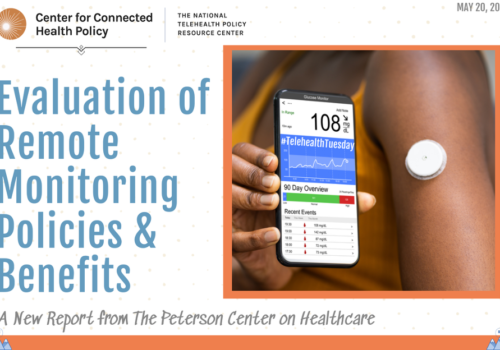
Last month, the U.S. Department of Health and Human Services Office of Inspector General (OIG) released a new report regarding remote patient monitoring (RPM), which describes existing federal coverage policies and recent utilization rates, as well as recommending additional oversight of the telehealth modality’s use within the Medicare program. In particular, OIG’s review sought to understand how RPM, which is the collection and transmission of health data in a patient’s home to assist providers in managing a patient’s condition, is being used by Medicare patients and billed by Medicare providers. OIG found a dramatic increase in RPM use over the past few years and made a number of recommendations to ensure sufficient oversight and billing of RPM services going forward.
 
OIG provided a brief history of Medicare RPM coverage and rules to provide context for its findings, mentioning how federal coverage first began for the modality, which Medicare refers to as remote physiologic monitoring, in 2018. Medicare also doesn’t consider RPM to be telehealth, rather it falls under a completely separate policy umbrella (see more information on Medicare RPM and Medicare Communication Technology-Based Services [CTBS] on CCHP’s website). Additional RPM coverage and billing rules include:Medicare covers RPM for any type of physiologic data collection using a Food and Drug Administration (FDA) approved medical device for chronic and acute conditions that require monitoringProviders bill Medicare using a specific set of procedure codes (Current Procedural Terminology [CPT] codes: 99091, 99453, 99454, 99457, and 99458) that represent three main components of the monitoring: 1) education and setup, 2) device supply, and 3) treatment management Health data must be collected and transmitted at least for 16 days every 30 daysMedicare pays for each component separately and at the same rate There is no limit on the length of time an enrollee can be monitored“Incident to” billing is allowed and both non-clinical (e.g., office staff) and clinical staff (e.g., a registered nurse) can deliver remote patient monitoring education and device supply, while only clinical staff can deliver treatment managementGiven that RPM coverage began in 2018, it is unsurprising that RPM use increased substantially over the following years (which included the COVID-19 pandemic as well). OIG’s report found that the number of Medicare enrollees receiving RPM was more than 10 times higher in 2022 than in 2019, increasing from 55,000 in 2019 to 570,000 in 2022. The increase in traditional Medicare enrollees utilizing RPM was 9 times higher, while the increase in Medicare Advantage was found to be 14 times higher in 2022, in comparison to 2019. Additionally, OIG reported that Medicare payments were over 20 times higher in 2022 than in 2019. OIG attributes the higher payment amounts to both the increase in the number of enrollees using RPM, as well as the average payment per enrollee, which were found to have doubled by 2022. While patients on average used RPM for less than 3 months in 2019, in 2022 enrollees were receiving RPM for an average of more than 5 months. The number of patients receiving RPM long-term – or over 9 months – also increased, with only 5 percent receiving long-term RPM in 2019 and 25 percent receiving long-term RPM in 2022.
 
Other findings from the OIG RPM report include:Most Medicare enrollees received RPM to treat chronic conditions (94%)More than half of enrollees received RPM to monitor hypertension, followed by diabetesBlack enrollees and those dually eligible for Medicare and Medicaid received RPM at higher ratesAn additional finding reported by OIG in its review of billing data was that around 43 percent of enrollees who received RPM did not seem to receive all three monitoring components (education and setup, device supply, and treatment management). While Medicare doesn’t require billing for each component, the lack of claims or encounter data confirming patients are receiving all necessary components left OIG concerned whether RPM is being used as intended. For instance, these enrollees appeared to not receive education about how to use and set-up their device, didn’t receive a device, or didn’t transmit their health data as required – all of which OIG states are critical to ensuring the proper use of RPM. Additionally, some enrollees didn’t appear to receive treatment management, meaning they may not have received the true benefits of RPM, or that it may have been unnecessary. OIG flags these issues in relation to its previous telefraud alerts (see OIG RPM Consumer Alert and CCHP OIG Fraud Alert article [dated July 26, 2022] for more information), highlighting its past concerns with unscrupulous companies utilizing telemarketing tactics to sign up Medicare enrollees for unnecessary services they typically never receive. Again, these telefraud alerts are not specific to the modality in which the services are being provided, but rather specific to the activities of the company potentially billing fraudulently (see CCHP Telefraud vs. Telehealth [dated Oct. 5, 2021] and QFRs Provide Insight on OIG Telehealth Perspective [dated Dec. 7, 2021] articles for additional background on the distinctions between telehealth and telefraud).
 
To address these concerns in relation to RPM, OIG makes a number of recommendations to increase the types of information Medicare receives to ensure more sufficient oversight. For instance, Medicare currently doesn’t receive information on the type of data being collected (i.e. blood pressure) and devices (i.e. blood pressure cuff) being used, nor does it have a way to identify companies specializing in RPM services. In some instances, Medicare is not receiving enough information to ensure RPM is being used to treat eligible conditions, and for 44 percent of enrollees, Medicare didn’t receive any information on the provider ordering RPM. OIG’s recommendations include:Institute safeguards including periodic analysis/follow-up to identify providers frequently billing for enrollees not receiving all three RPM components or without specific diagnosis codesRequire RPM to be ordered by a physician or other qualified provider and that identifying provider information be included on claims/encounter data, similar to existing requirements for ordering durable medical equipment (DME) and other laboratory and imaging servicesDevelop more specific RPM codes that specify types of data collected and device usedConduct provider education about RPM billing that summarize guidelines and safeguardsIdentify and monitor companies specializing in RPM, such as developing a new provider enrollment classification and ensuring appropriate billingImproving incident-to billing transparency by requiring a modifier and additional provider identification (previously a past OIG recommendation)The Centers for Medicare and Medicaid Services (CMS), which administers the Medicare program, concurred with or agreed to take into consideration all of OIG’s recommendations. OIG highlighted in its report that its findings are additionally important when considering that the use, and need, for RPM is likely to increase given that more than 60 percent of Medicare enrollees have hypertension – the most frequent chronic condition associated with current RPM use – however, only a small amount of those particular enrollees were found to already be receiving RPM. 
 
While Medicare doesn’t technically consider RPM to be telehealth, reports evaluating the use of remote care generally are important to policymakers considering telehealth policy needs at the federal level. Additionally, state Medicaid programs, whether they consider RPM to formally be telehealth or not, often do incorporate the same Medicare codes and guidelines into their RPM coverage rules, if such policies exist – see more information by state on CCHP’s Medicaid RPM page. A Medicaid report from earlier this year by Health Affairs had similar RPM findings to those documented by OIG as well. For instance, RPM use increased by more 1,300 percent from 2019 to 2021 among the Medicaid population, particularly for patients with hypertension and diabetes. In addition, Health Affairs assessed the variability of RPM use in context with state Medicaid coverage policies, finding that while only 34 states as of March 2023 had explicitly documented RPM reimbursement policies, providers from all states except Vermont billed RPM codes on billing claims in 2021. The rate of RPM use in 2021, however, was more than 30% higher in states with documented reimbursement policies, showcasing the importance of provider education and outreach and clear coverage policies in ensuring appropriate remote care accessibility. As state and federal policymakers consider these findings, it is vital that reoccurring themes be identified and that concerns be placed in context with any oversight measures planned, as well as the benefits and need for these modalities to ensure additional policies properly promote access to necessary medical care.
 
For more information on the Medicare RPM study, please view the OIG report in its entirety. The Medicaid RPM study can be accessed on the Health Affairs website

Potential DEA Temporary Rules Extension for Prescribing Controlled Substances via Telehealth

Politico recently reported (subscription required) that the U.S. Drug Enforcement Administration (DEA) is indicating another extension is likely for the temporary federal flexibilities allowing providers to prescribe controlled substances via telehealth without an in-person visit. The previous policy extension is set to expire at the end of 2024. The new final rule titled, “Third Temporary Extension of COVID-19 Telemedicine Flexibilities for Prescription of Controlled Medications,” reportedly reached the White House for review earlier this month. This will be the second time that the DEA attempted to draft permanent policy on the subject but due to various concerns and stakeholder push back, the DEA appears to be moving forward with another additional extension instead. Earlier this year, the DEA crafted a proposal (that wasn’t made public) allegedly containing substantial prescribing limitations, although it stalled at the White House review stage due to purported concerns from the U.S. Department of Health and Human Services (HHS). Last year, prior to this latest attempt, the DEA publicly released another proposed permanent policy that received nearly 40,000 public comments, leading to the currently in effect policy extension. CCHP has covered the issue extensively and produced a timeline related to the DEA telehealth prescribing policy history – see the latest CCHP DEA articles for more information: DEA Rules (dated Oct. 8, 2024)Updates Regarding Upcoming DEA Rules (dated Sept. 10, 2024), and Regulatory Crossroads (dated July 16, 2024). It is unclear how long the latest DEA telehealth prescribing extension would be for, but CCHP will continue to update readers as additional developments occur.

Source: Center for Connected Health Policy, personal communication, October 22, 2024

Telehealth Waiver Bill Moves Forward

On September 18, 2024, the House Energy and Commerce Committee marked up and passed out of Committee HR 7623, the Telehealth Modernization Act of 2024.  The next stop for the bill will be the House floor and then, if passed, it will be sent over to the Senate
 
The most significant part of HR 7623 that readers may be interested in is that it extends the Medicare telehealth waivers an additional two years.  Currently, the Medicare telehealth waivers are set to expire at the end of this year. Should HR 7623 pass with no changes to this item, the new expiration date will be December 31, 2026.  The permanent telehealth Medicare policies this will impact include continuing to allow telehealth to take place regardless of location (both geographic and type of site); allowing the larger list of providers to continue to be eligible to provide services via telehealth and be reimbursed by Medicare, including federally qualified health centers (FQHCs) and rural health clinics (RHCs), occupational and physical therapists, and continuing coverage of audio-only services.  The prior in-person visit requirements for mental health visits that do not meet the geographic requirement or exceptions to it will also continue to be delayed.
 
The Acute Hospital Care at Home waiver flexibilities will also be extended but for an additional five years, ending in 2029.  However, additional studies and reports on this program would be required. One required study will specifically examine the outcomes, costs and other relevant metrics between individuals who entered Acute Hospital Care at Home directly from an emergency department and those who enter it through an inpatient hospital stay.
 
The bill will also require modifiers to be used in certain instances.  The Secretary of Health and Human Services (HHS) shall no later than January 1, 2026, establish requirements for the use of a code or modifier when services via telehealth are provided by:

– A practitioner that contracts with an entity that owns a virtual platform used to provide the service OR
– When the practitioner has a payment arrangement with an entity for the use of a virtual platform used to provide such services;
AND
– The claims for telehealth services are billed incident to a practitioner’s professional service.Several amendments were made to HR 7623 from the last publicly available version (May 2024).  Some were specifically related to telehealth in Medicare and others related to other programs.  The telehealth related items include:

– During the extended waiver period (January 1, 2025 – December 31, 2026), FQHCs and RHCs will be paid their prospective payment services rate and not the calculated rate based upon the fee schedule that they have been receiving since the COVID-19 pandemic was declared.
– The Secretary will issue and disseminate (or update if something currently exists) guidance for certain entities on best practices for facilitating and integrating use of interpreters during a telehealth encounter.
– Allowing the use of virtual technology in the Sustainable Cardiopulmonary Rehabilitation Services in the Home Act from January 1, 2025 to December 31, 2027.
– Regulations will be promulgated to allow the use of telehealth technologies in the Medicare Diabetes Prevention Program for the period of January 1, 2025 – December 31, 2030.
– The Secretary will provide education and outreach to appropriate physicians and non-physicians participating in the Medicare program with respect to periodic screening for medication-induced movement disorders that are associated with treatment of mental health disorders in at-risk patients and best practices to perform screenings in a telehealth setting.

Approximately a month ago information came out regarding the Drug Enforcement Administration’s (DEA) proposals on the temporary telehealth waivers for prescribing of controlled substances. The information suggested significant changes on how telehealth would be used to prescribe controlled substances after the current waiver deadline passed. Readers may recall that when the public health emergency (PHE) was scheduled to end, the waiver that allowed telehealth to be used to prescribe a controlled substance without a prior in-person examination by the prescribing telehealth practitioner or meeting one of the already existing exceptions (the prescribing exception during the COVID pandemic was based on the existence and continuation of a declared PHE) would also expire. Initially, the DEA had proposed a set of regulations two months before the end of the PHE that was met with great concern. The DEA eventually extended the waiver to the end of 2024, matching the timeframe that had been put in place for the end of the Medicare temporary telehealth policies.  It’s been reported that the upcoming DEA proposed changes include allowing providers to use telehealth only for half of their prescriptions as well as other proposed items.  Reportedly HHS has expressed concerns with the proposal per an Axios article, as did members of the House Energy and Commerce Committee in the September 18 hearing. It must be noted that no version of the DEA proposal has been made available publicly therefore CCHP has not been able to examine what has been proposed.  
 
Several Committee members including Representatives Doris Matsui (D, CA) and Ann Kuster (D, NH) aired their concerns about the potential details of the DEA proposal as well as the lack of progress in creating a telehealth registry which was in the original bill, the Ryan Haight Act, that placed into law the telehealth policies around prescribing controlled substances. Members of the Committee were especially concerned with the potential for patients to be cut off from needed medications should the DEA proposal leaks prove accurate.  This may signal that Congress may take a more active step in addressing the prescribing issue, though nothing related to the matter is currently included in HR 7623.
 
HR 7623 passed out on a bipartisan vote and will now need to wait to be taken up by the full House.  As Rep. Carter noted in a press release after the bill passed out of Committee, 
 I am thrilled that the Energy and Commerce Committee came together in a bipartisan manner to extend telehealth flexibilities for Medicare patients. Seniors, individuals with mobility issues, and those living in rural areas rely on telehealth to bring qualified health care professionals right to their home. I urge a swift House floor vote on this bill, so that we can get Medicare beneficiaries the life-saving health care they need. 

At the writing of this newsletter the amended version of HR 7623 can be found in the Committee documents, but it should be made available through typical outlets soon.  CCHP will continue to monitor the progress of this bill and update accordingly.

Source: Center for Connected Health Policy, personal communication, September 24, 2024

Proposed CY 2025 Physician Fee Schedule

On July 10, 2024, the Centers for Medicare and Medicaid Services (CMS) released their proposed Physician Fee Schedule (PFS) for CY 2025. Each year the PFS contains new or updated policies which CMS will be adopting for Medicare in the following year.  Generally, each PFS contains items that will impact telehealth, and with December 31, 2024 as the current end date to the COVID-19 telehealth policy waivers (see CCHP’s Medicare 101 page), many have been waiting to see what the agency will be proposing for 2025. At this time, these are only proposals. The public has until 5:00 pm (no time zone given) September 9, 2024 to provide comments to CMS regarding these proposed policies.

Overall, the majority of the proposals appear to demonstrate CMS’ attempts to mitigate any potential impacts should the deadline of December 31, 2024 for the telehealth waivers remain unchanged.  Throughout the proposed PFS elements related to telehealth, there is acknowledgement of impacts on Medicare enrollees should the telehealth waivers end in 2024.  While CMS does take several actions to alleviate such potential effects, some of the current temporary telehealth waivers (and permanent limitations) are based on federal statute and do not allow CMS to affect any change on them without Congressional action first. 

One of the most significant proposals, and one that would be a permanent policy if finalized, is that CMS proposes to change the definition of “interactive communication system” to allow audio-only for any service delivered via telehealth. Previously, in the 2022 PFS, CMS had changed the definition of “interactive communication system” to allow for audio-only to deliver only mental and behavioral health services. This current proposal will allow audio-only to be used for any eligible service.  Specifically, the proposal defines an interactive communication system to:

“also include two-way, real-time audio-only communication technology for any telehealth service furnished to a beneficiary in their home if the distant site physician or practitioner is technically capable of using an interactive telecommunications system as defined as multimedia communications equipment that includes, at a minimum, audio and video equipment permitting two-way, real-time interactive communication, but the patient is not capable of, or does not consent to, the use of video technology.”

Readers may wonder how CMS can enact such a significant change without prior Congressional action.  The applicable section in the Social Security Act notes that telehealth in Medicare should be delivered via a “telecommunications system,” but never defines what that phrase means.  It was left to CMS to determine exactly what “telecommunications system” meant through the regulatory process (note, the word “interactive” is not in federal law, that was added in regulations by CMS many years ago).  Therefore audio-only policy is not a change that CMS would need to wait for Congress to act on.

Another area of policy CMS does not have to wait for Congress on before taking action is when approving which services will be placed on the covered telehealth delivered services list (current list of eligible services).  CMS’ process for this is to accept recommendations each year from the public on which service codes should be placed on the list (as well as make some of their own) and assess such nominations using a five-step process (see CCHP’s Final Rule for CY 2024 PFS for more details on the new five-step process). Services can be placed on the list on a provisional or permanent status. For 2025, there are a mix of permanent and provisional codes that CMS is proposing to add to the telehealth eligible services list.  Some provisional codes include caregiver training (97550-97552), and proposed permanent additions to the list include codes for individual counseling for pre-exposure prophylaxis by a physician or qualified health professional to prevent human immunodeficiency virus (G0011, G0013).

However, certain major policy areas which CMS cannot act without Congress enacting legislation first are still set to expire at the end of 2024. These include policies that impact the location of the patient at the time of the telehealth interaction and the type of provider that is eligible to provide services via telehealth.  CMS notes throughout the proposals their concerns regarding the impact on Medicare enrollees abruptly being cut off from accessing these services via telehealth if the current waiver expires. For example, if a Medicare enrollee is currently receiving services in their home via telehealth from a physical therapist, that would no longer be an option for that enrollee starting on January 1, 2025 as the home would not be an eligible originating site for the service and physical therapists are not currently on the permanent eligible telehealth provider list for Medicare.  Additionally, if the home was located in an urban area, that would be yet another factor that would disqualify the service from Medicare reimbursement.

Some attempts to mitigate the potential impacts of these policies ending should the waiver deadline remain unchanged include several proposals specifically addressing federally qualified health centers (FQHCs) and rural health clinics (RHCs). The first proposal is one that would continue to allow, on a temporary basis, payment to FQHCs/RHCs for non-behavioral health visits that use telecommunications technology. Additionally, CMS is asking for comments about potentially redefining a “visit” to include live video for an FQHC/RHC.  In 2022, CMS changed the definition for a mental health visit for FQHCs/RHCs to include live video and audio-only. Should the definition be changed to include live video in the “visit” definition, it would allow FQHCs/RHCs to provide all services via telehealth at their applicable encounter rates, though those services would not be considered telehealth-delivered services, and thus would not be held to the statutory requirements that are applicable to telehealth in Medicare.  While a proposal to alter the definition of a “visit” is not made in this PFS, CMS is soliciting comments on the idea.

Additionally, CMS is proposing to delay for an additional one-year the prior in-person visit requirement for FQHCs/RHCs when providing a mental health visit via telecommunication technology when the beneficiary is in their home.  It is important to note that this proposal is only made for FQHCs/RHCs and CMS is able to do this because the original policy’s origins are regulatory (PFS 2022).  A similar requirement on other practitioners was made in statute through the Consolidated Appropriations Act of 2021 and CMS cannot alter that without Congressional action.  This is a good example of the limitations around what CMS can do in this process regarding telehealth policy. 

Additional proposals include: 

  • Originating site fee – $31.04
  • CMS is proposing to extend to the end of 2025 the ability of distant site providers to continue to use their currently enrolled practice location address instead of their home address as the location of where they are providing services via telehealth.
  • Creation of a newly defined set of Advance Primary Care Management (APCM) for FQHCs and RHCs.  The coding for these services incorporates elements of existing CTBS services.  
  • Extension of frequency limitations for inpatient visits, nursing facilities and critical care consults to the end of 2025. 
  • Returning CPT Codes 99441, 99442, and 99443 to a bundled status when the telehealth flexibilities expire on December 31, 2024.
  • New codes that would allow clinical psychologists, clinical social workers, marriage and family therapists, and mental health counselors to bill for interprofessional consultations with other practitioners whose practice is similarly limited, as well as with physicians and practitioners who can bill Medicare for E/M services and would use the current CPT codes to bill for interpersonal consultations.
    • Additionally new G-codes for behavioral health services

CCHP has prepared a more in-depth fact sheet regarding the proposals, and as can be gleaned from the foregoing, CMS has seemingly worked with the powers they have to try to limit an abrupt stoppage of telehealth delivered services should the current telehealth waiver deadline of December 31, 2024 hold.  Additionally, the specific requests for commentary on several items may provide some insight into what CMS might propose in the future for telehealth policy. 

If you wish to provide comments on these proposals, you have until 5:00 pm (no time zone given), September 9, 2024.

POLICIES FOR INSTITUTIONS

The PFS is not the only regulatory proposal recently released.  CMS also issued the proposed rules for Hospital Outpatient Prospective Payment and Ambulatory Surgical Center Payment Systems.  During COVID-19, hospitals could provide outpatient therapy services, diabetes self-management therapy (DSMT) and medical nutrition therapy (MNT) services to patients in their homes through a telecommunications system. The services would be paid separately or part of a bundled payment depending on if they were provided personally by a billing practitioner or institutional staff and billed by the institution. CMS’ Hospital Without Walls (HWW) program allowed hospitals to reclassify the patient’s home as part of the hospital and hospitals were allowed to bill for these services.  Wanting to maintain access to outpatient therapy, DSMT and MNT services that are provided remotely by institutional staff to the patient in their homes, CMS continued to allow institutions to bill for these services until the end of 2024.  Within the 2025 proposals, CMS writes:

“To the extent that therapists and DSMT and MNT practitioners continue to be distant site practitioners for purposes of Medicare telehealth services, we anticipate aligning our policy for these services with policies under the PFS and continuing to make payment to the hospital for these services when furnished by hospital staff.”

In these rules, CMS also notes that the prior in-person visit requirement for mental health services being delivered in the patient’s home (and without falling into any other narrow exception) has been delayed until January 1, 2025.  Unless some further action is taken, this requirement will be activated.  CMS writes:

“However, to the extent that these in-person visit requirements are delayed in the future for professionals billing for mental health services via Medicare telehealth, we anticipate that we would align the requirements for mental health services furnished remotely to beneficiaries in their homes through communications technology with mental health services furnished via Medicare telehealth in future rulemaking.”

CMS is also proposing in these rules to create an exception to the Medicaid clinic four walls requirement.  The proposal would allow for Medicaid payment for services provided outside the “four walls” of the clinic for IHS/Tribal clinics, behavioral health clinics and clinics located in rural areas.

Much like the PFS, in the Hospital/Other Institutions proposed rules, CMS is attempting to set up the landscape to adjust to any future events that could impact these policies whether that means extending the December 31, 2024 deadline, or another type of action.  The due date for comments on these hospital proposals is also September 9, 2024.

For more on the proposals for institutions, see the full text of the rule, and see CCHP’s factsheet and the full text of the CY 2025 PFS rule for all of the PFS details.  In addition to the PFS fact sheet, CCHP has created a short video to discuss these proposals.

Source: Center for Connected Health Policy, personal communication, July 18, 2024

HVBA Dallas Roadshow 2024

We are thrilled to share the highlights of our recent event, on June 27th in Dallas, TX, which was an unforgettable experience for all attendees. Here’s what was featured:

Educational CE Sessions: Attendees were informed on a series of comprehensive Continuing Education (CE) sessions, where industry experts delivered the latest legislative updates related to employee benefits. Topics included the Consolidated Appropriations Act (CAA), Employee Retirement Income Security Act (ERISA), State Long Term Care (LTC) updates, “Junk Insurance” and Medicare. These sessions ensured participants left with a thorough understanding of the current changes and dynamics affecting their clients. 

“This event truly highlighted the strength and unity of our community. The diverse range of sessions, activities, and networking opportunities provided something valuable for everyone. Our goal was to create an environment where professionals could learn, connect, and contribute. I believe we achieved that,” said Jake Velie, Vice Chairman, President & COO of the Health & Voluntary Benefits Association and Chairman and CEO at National Integrative Health. 

Scout Experience at The Statler: The event included a special networking reception at the Scout at The Statler in Dallas. This unique venue provided an engaging atmosphere where attendees could enjoy interactive content and meaningful networking opportunities. The Scout experience was designed to foster connections in a relaxed, intimate, and enjoyable setting.

Charity Auction: Our charity auction was a highlight of the event, drawing enthusiastic participation from over 100 attendees. Bidders had the opportunity to win exclusive items while contributing to a worthy cause, Trinity Oaks, the only Purple Heart Wounded Warrior non-government ranch in the United States. The auction not only added an element of fun but also emphasized the community’s commitment to philanthropy raising over $36,000.

Networking Reception: After the CE sessions, attendees gathered for the HVBA Benefit Roadshow Networking Reception. This reception was an excellent platform for industry professionals to connect, share insights, and build long-term relationships. Brief speeches from industry leaders added value to the networking experience.

I loved everything about the event! The CE sessions were incredibly informative, and the networking opportunities were unparalleled. The Scout experience was unique and engaging, and the charity auction was a fantastic way to give back while having fun,” said Cindi Cohn, Chief Experience Officer, of Rock Enrollment. “The food and drinks were exceptional, and the overall atmosphere was just perfect. I can’t wait to attend the next HVBA event!”

Throughout the event, attendees enjoyed a variety of five-star appetizers, food, and beverages. The culinary offerings were second to none!

“The success of this event is a testament to the dedication and hard work of the entire HVBA team. Each member played a crucial role in ensuring everything ran smoothly and exceeded expectations. From planning to execution, the team’s commitment to excellence was evident in every detail,” said Dan Robinson, President of the HVBA Advisory Board, Conference Committee Chair, and President & CEO of SONOLO. “We are incredibly proud of what we accomplished together and grateful for the support of our attendees and sponsors. These events continue to set a high standard for our HVBA Roadshows.”

A special recognition goes out to our Executive and Advisory Board Members and, equally as important, our Sponsors, Attendees, and Members who make these events possible.

Our Dallas event was a tremendous success, bringing together industry professionals to share knowledge, build connections, and support meaningful causes. We are grateful for the enthusiastic participation and generous contributions from everyone involved,” said Robert S. Shestack, Chairman & CEO of the Health & Voluntary Benefits Association. “This event showcased the best of our community’s commitment to excellence and collaboration. Stay tuned for “Philly in the Fall”.

For further information please visit our website www.vbassociation.com. If you have any questions about sponsorship or membership, please reach out to Sarah Hunt at shunt@vbassociation.com.

The Latest in Licensure: Out-of-State Telehealth Provider Policies

By: Center for Connected Health Policy

Provider licensure exceptions particular to the use of telehealth across state lines continues to be a popular issue area for those reaching out to CCHP for technical assistance. Questions are received from providers and patients alike, and often providers ask for a list of specific states that currently allow out-of-state providers to deliver care via telehealth to in-state patients for their specific profession. In this week’s write up, we would like to drill down on this area of telehealth policy in the hopes of painting a clearer picture.

Telehealth is considered rendered at the location of the patient and generally speaking individual states will require providers delivering care within their borders to have a license or some type of in-state approval. While limited licensure exemptions do exist, they vary widely (both between states and different professions), therefore there unfortunately is not a simple list that will clearly convey the complexities inherent to practicing telehealth across state lines. Nevertheless, at the bottom of this newsletter, CCHP has attempted to organize out-of-state telehealth provider policies by state into two main areas as a starting point in understanding the primary types of licensure policies that may allow out-of-state telehealth provider practice, in addition to Licensure Compacts: Limited Licensure Exceptions, andTelehealth License/Registration ProcessesBased on the latest updates to CCHP’s Policy Finder as of June 25, 2024, CCHP has compiled lists showing the states that fall into these policy areas at the bottom of this write-up.

LIMITED LICENSURE EXCEPTIONSLimited exceptions to full in-state licensure are the most popular way for states to allow an out-of-state provider to deliver telehealth services to their residents (besides interstate licensure compacts), however they are often very narrow and limited to specific circumstances and provider types. For instance, even if CCHP included a state within the below limited licensure exception list, it is still possible that the exception doesn’t apply to all provider types or patients. One common exception found throughout some state licensure requirements doesn’t actually apply directly to patients at all, rather it only exempts providers consulting with other providers that may not be licensed in the same state (i.e. New Jersey). Other exceptions often focus around continuity of care allowances, such as licensure exceptions for already established provider-patient relationships like in South CarolinaVirginia, and Washington. Exceptions also may be allowed for infrequent interactions, such as telehealth services occurring less than 10 days a year or involving less than 10 patients a year, as is the case of Alabama, or in instances of emergency, such as in the District of Columbia. Additionally, there are exceptions specific to specialized care, such as mental health services (Colorado, for example) or treatment related to life-threatening diseases. For instance, California has historically been one of the states with the least allowances for out-of-state providers, only having an exception for provider consultations until last year, when the state adopted an allowance for out-of-state physicians treating patients with life-threatening diseases.

In total, 29 states currently have limited licensure exceptions. However, they vary widely and must be reviewed carefully to ensure applicability and compliance. In addition, 9 states have adopted both limited licensure exceptions in addition to a telehealth registration process, therefore those states will appear in both lists below, with a notation that they fall under each.

TELEHEALTH LICENSE/REGISTRATION PROCESSOverall, 21 states currently have some kind of telehealth registration process, including Arizona and Florida, though the term “registration process” may go by a different name and requirements do vary. Whether called a telemedicine license, registration, certification, permit or waiver, these policies are also often specific to certain providers and have varying requirements and fees similar to the licensure process. Generally, registration processes seek to ensure board oversight and jurisdiction over out-of-state providers operating in the state, while including additional limitations on their practice, such as prohibiting them from opening an office and providing in-person care in the state.

CAN’T FORGET COMPACTSCompacts are also a very popular way for states to adopt exceptions to full in-state licensure for purposes of out-of-state telehealth providers. In fact, as of the date of this newsletter, only 5 jurisdictions are not a current member of any compact that CCHP is tracking. In addition, of the 12 jurisdictions with neither limited licensure exceptions nor registration processes, 9 are members of at least one compact. CCHP is currently tracking twelve compacts:Advanced Practice Registered Nurses CompactAudiology and Speech-Language Pathology Interstate CompactCounseling CompactDietitians CompactEmergency Medical Services Personnel Licensure Interstate CompactInterstate Medical Licensure CompactNurses Licensure CompactOccupational Therapy Licensure CompactPhysician Assistant Licensure CompactPhysical Therapy CompactPsychology Interjurisdictional CompactSocial Work Licensure CompactEach compact structure varies and is specific to different provider types, but generally compacts seek to allow providers to meet only one approval process (through the Compact) to participate in multiple states (Compact member states). Note that the Interstate Medical Licensure Compact (IMLC), in particular, operates a bit differently from the others, in that it focuses more on streamlining and expediting licensure approval with each state. Regardless of structure, compacts are also a key component to out-of-state telehealth provider policies. Some states, however, may have more hesitation than others in becoming members due to the fact that the same statutory language used to legislatively enact a compact must be adopted across each member state, limiting the ability for specific states to amend compact language to meet their particular policy goals. For more information on which states participate in which compacts, view CCHP’s licensure compacts page.

LIMITATIONS TO THE LIMITATIONSEven if a state is listed as having a limited licensure exception or registration process, given the nuances of such policies and the presence of additional policies that may apply to the care (such policies related to consent and/or prescribing), it is always best for providers to check with both the appropriate board in their state and the state the patient will be located in at the time of the visit to ensure full compliance. It is also important to note that compliance with state licensure and practice requirements doesn’t necessarily ensure insurer coverage of services provided. Payer policies for out-of-state providers also vary widely and may include additional locational limitations. CCHP tracks Medicaid policies for out-of-state providers, and as it pertains to Medicare, there is generally just a requirement to comply with state laws. When it comes to private payers, providers should check always with individual private payers directly, as their rules vary more widely.

Licensure By the Numbers (as of 6/25/24)29 States have limited licensure exceptions21 Jurisdictions have telehealth registration processes9 States have both limited exceptions and a telehealth registration process12 Jurisdictions don’t have specific exceptions/registration (9 are members of compacts)5 Jurisdictions are members of no compacts3 Jurisdictions have no exceptions/registration/compactTHE LISTS

The states listed below are hyperlinked back to the licensure topic area in CCHP’s online policy finder for that specific state making it easy for readers to view the particular laws that are being referenced in regard to the licensure exception and/or registration process in place, as well as any related requirements. These lists are not meant to be definitive and it is important to look at each state law closely to determine how to meet their particular requirements. CCHP does not maintain a list of exceptions particular to types of providers, and again, advises providers to contact the board that regulates their profession in both their own state and the state where the patient will be located at the time of the visit to ensure compliance. These laws are constantly changing and some policies may not yet be fully implemented.
 
LIMITED LICENSURE EXCEPTIONSAlabamaAlaskaArkansasArizona (also has registration process)CaliforniaColoradoDistrict of Columbia (also has expedited licensure agreement with VA & MD)Delaware (also has registration process)Florida (also has registration process)Hawaii (specific to provider-to-provider consultations)Idaho (also has registration process)IllinoisIowaKentuckyMaryland (also has expedited licensure agreement with VA & DC)MichiganMinnesota (also has registration process)MississippiMissouriNew Hampshire (also has tele-pass psychology license process)New Jersey (specific to provider-to-provider consultations)Oregon (also has telemedicine license process)Rhode IslandSouth Carolina (also has registration process)UtahVirginia (also has expedited licensure agreement with MD & DC)WashingtonWest Virginia (also has registration process)WyomingCCHP always suggests confirming applicability and related requirements with State Licensure Boards.
 
TELEHEALTH LICENSE/REGISTRATION PROCESSArizona (also has limited licensure exceptions)Delaware (also has limited licensure exceptions)Florida (also has limited licensure exceptions)GeorgiaIdaho (also has limited licensure exceptions)IndianaKansasLouisianaMaineMinnesota (also has limited licensure exceptions)New Hampshire (also has limited licensure exceptions)NevadaNew MexicoOklahomaOregon (also has limited licensure exceptions)Pennsylvania  (specific to adjoining state physicians)TennesseeSouth Carolina (also has limited licensure exceptions)VermontVirgin IslandsWest Virginia (also has limited licensure exceptions)See State Licensure Board websites for implementation and license issuing status and other related requirements.
 
NO EXCEPTIONS/TELEHEALTH REGISTRATION PROCESSES
States below indicated with an * are states that despite not having a licensure exception or registration process in place, are members of various compacts. Connecticut * (Technically CT does have a law on the books regarding exceptions, however exceptions are only in effect under a specific Commissioner order, and previous orders have since expired)MassachusettsMontana *Nebraska *New YorkNorth Carolina *North Dakota *Ohio *Puerto RicoSouth Dakota *Texas * (TX did have a telemedicine license process in place, however, the TX Medical Board has since placed on their website that the issuing of telemedicine licenses has been suspended)Wisconsin *See each Compact website for implementation, license issuance status and other related requirements.
 
NO COMPACTS
States below indicated with an * are states that despite not having a compact, do have limited licensure exceptions. Alaska *California *MassachusettsNew YorkPuerto RicoFor more information on state licensure laws and potential exceptions, please review CCHP’s Cross-State Licensing web page and Licensure Compacts page.

Source: Center for Connected Health Policy, personal communication, July 9, 2024

Supreme Court Ruling Could Have a Big Impact on Healthcare Regulations and Legislation

By: Self-Insurance Institute of America, Inc.

On June 28th, the Supreme Court – in a 6 to 3 ruling – overturned the “Chevron Deference Doctrine.” As we have reported, the Chevron Deference Doctrine is a 40-year-old judicial precedent directing courts to defer to a Federal Department’s interpretation of a statute when the Department develops implementing regulations. Here, the court must uphold the regulation if evidence shows that the Federal Department reasonably interpreted the statute, even if the court disagrees with how the statute was interpreted.

It is currently unclear how far-reaching this Supreme Court ruling might turn out to be, but we are already seeing policymakers respond. For example, Ranking Member of the Senate HELP Committee, Senator Cassidy (R-LA), sent a letter to HHS asking how the decision to invalidate the Chevron Deference Doctrine will affect existing and future regulations implementing the Federal surprise billing regulations. Will we see more lawsuits from providers challenging the Federal IDR process and/or seeking to nullify the Qualifying Payment Amount?

Self-insured plans and insurance carriers are also asking whether the dismantling of the Chevron Deference Doctrine will impact the proposed Mental Health Parity and Addiction Equity Act (MHPAEA) regulations. Payers have already argued that the proposed requirements and mathematical tests are inconsistent with the statute and contrary to Congress’s original intent, making these proposed MHPAEA regs ripe for a legal challenge once they are finalized. 

Could we also see lawsuits filed against less controversial regulations that have long been opposed by a particular sector of the healthcare industry? Take the Transparency in Coverage Rule, for example, which has been – and effectively continues to be – opposed by the insurance carrier community.  

Any regulations issued by the next Administration (regardless of whether it is a Biden 2nd Term or another Trump Presidency) will also have a perilous journey through the process, as stakeholders – whether politically motivated or based on practical merits – will likely be quick to challenge them.

This ruling will also put immense pressure on Congress when writing and considering legislation that serves as the underlying statute that a Federal Department must implement through a regulation. Congress won’t be able rely on the Federal Departments to fill-in-the-blanks that Congress inadvertently or purposefully left open. Congress also won’t be able to direct the Federal Departments to develop a regulatory process without spelling out in the statute specific guidelines and parameters the Department must follow

SIIA will continue to monitor how policymakers and healthcare stakeholders respond to the Supreme Court’s decision to overturn the Chevron Deference Doctrine. If you have any questions, feel free to contact Chris Condeluci at (ccondeluci@siia.org) or Anthony Murrello (amurrello@siia.org).

SOURCE: Self-Insurance Institute of America, Inc. personal communication, July 3, 2024)